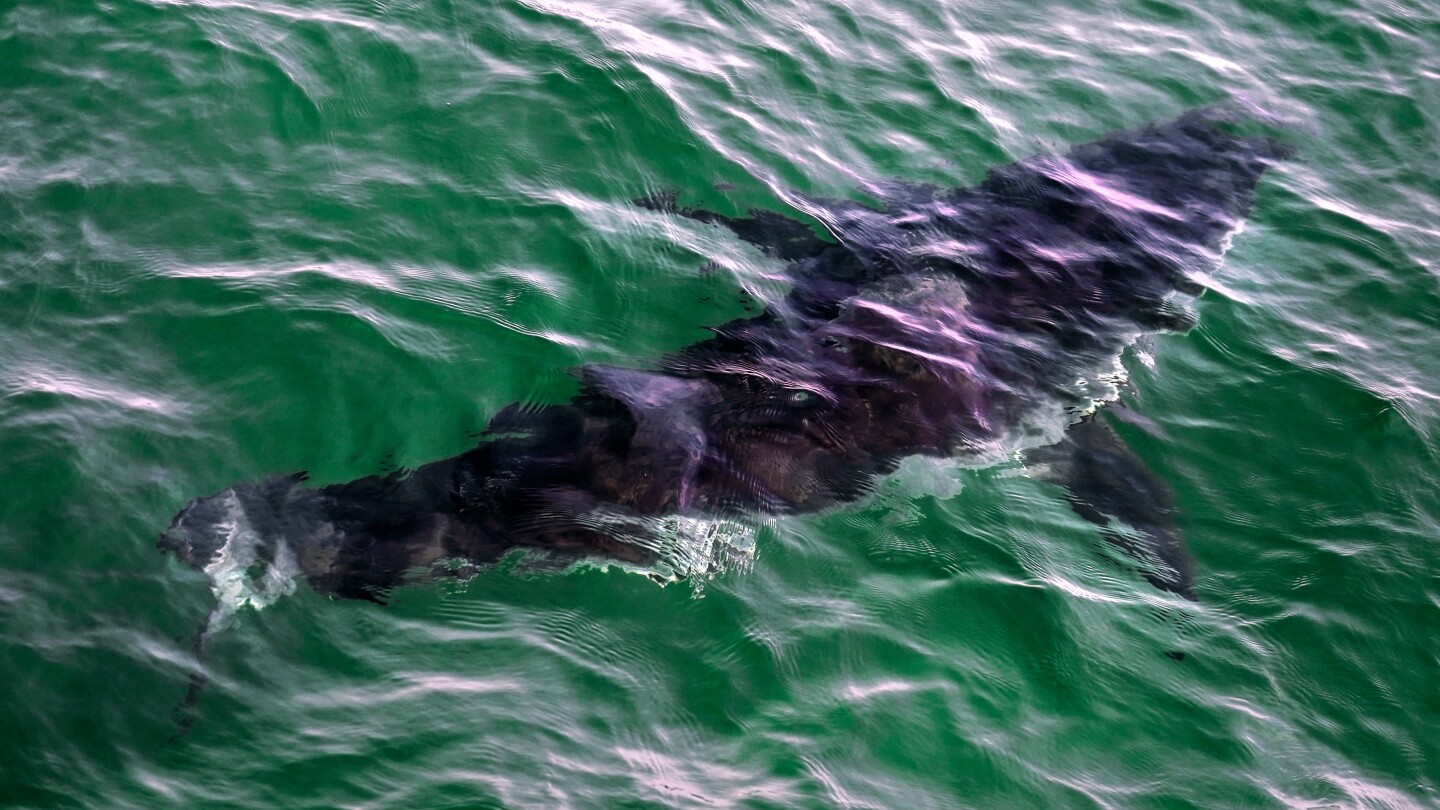
In a historic conservation decision, international governments have enacted sweeping trade protections for more than 70 species of sharks and rays at the ongoing Convention on International Trade in Endangered Species (CITES) summit in Uzbekistan. The landmark measures, ratified on Friday, represent one of the most significant marine conservation victories in recent years.
The newly adopted protections establish complete trade bans for several critically endangered species including oceanic whitetip sharks, manta rays, devil rays, and whale sharks. Additionally, the conference implemented strengthened regulatory frameworks for gulper sharks, smoothhound sharks, and tope sharks, mandating that any trade must demonstrate legal sourcing, sustainability, and full traceability.
Perhaps most significantly, delegates agreed to implement zero-annual export quotas for multiple species of guitarfishes and wedgefishes, effectively halting international commercial trade for these vulnerable species.
Conservation leaders hailed the decisions as transformative. Luke Warwick, Director of Shark and Ray Conservation at the Wildlife Conservation Society, characterized the outcome as “a landmark victory that belongs to the Parties who championed these protections.” He noted unprecedented cooperation across Latin American, African, Pacific, and Asian nations in passing every proposed shark and ray protection measure.
The urgent need for these protections stems from severe overfishing pressures driven by global demand for shark fins, meat, oil, and gills—a billion-dollar industry that has pushed more than 37% of shark and ray species toward extinction. Annually, over 100 million sharks are killed, far outpacing their reproductive capabilities.
Barbara Slee, Senior Program Manager at the International Fund for Animal Welfare, emphasized the significance of this policy shift: “For too long, sharks that have roamed our oceans for millions of years have been slaughtered. These new protections will help shift that balance and recognize these sharks as more than just fishery commodities.”
This achievement continues CITES’ recent success in shark conservation, building upon protections established for over 90 shark species at the 2022 Panama conference. While the treaty has faced criticism regarding implementation challenges in developing nations, this decision demonstrates growing international consensus on marine conservation priorities.
The conference also addressed other conservation matters, maintaining existing protections for elephants and rhinos while approving regulated trade of saiga horn from Kazakhstan—a controversial decision following the antelope’s reclassification from critically endangered to near threatened status due to successful recovery efforts.