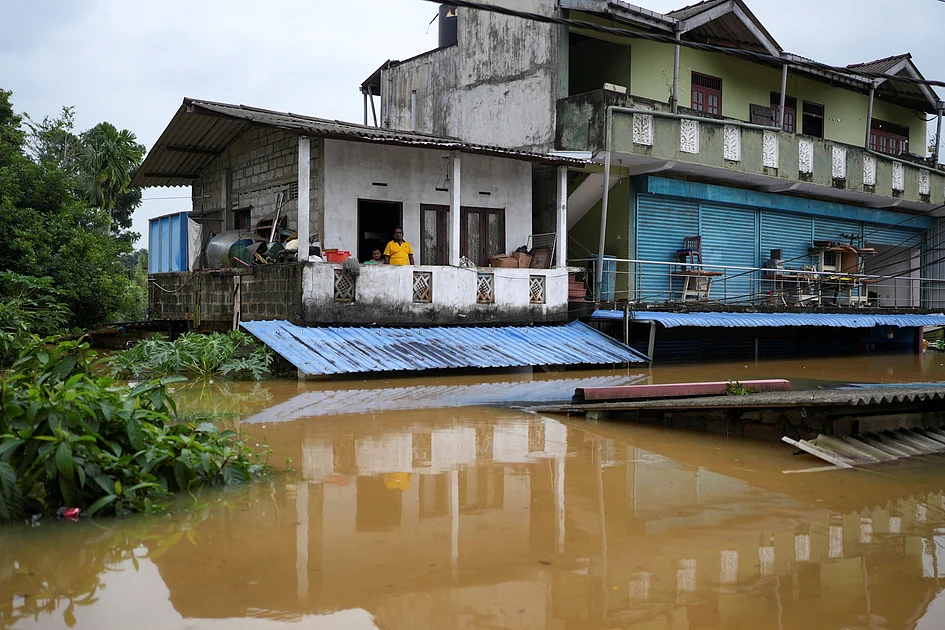
Sri Lanka has activated emergency protocols following the devastating impact of Cyclone Ditwah, which has claimed 132 lives with 176 individuals still unaccounted for. President Anura Kumara Dissanayake invoked special powers to coordinate large-scale relief operations as the nation grapples with its most severe natural disaster since 2017.
The cyclone’s torrential rains have precipitated catastrophic flooding and landslides across the island nation, resulting in the destruction of over 15,000 residential properties. Official reports confirm that approximately 78,000 displaced citizens have sought refuge in government-operated temporary shelters, overwhelming existing infrastructure and resources.
Military forces have executed complex rescue missions, including a 24-hour operation that successfully extracted 69 stranded bus passengers from Anuradhapura district. Among those rescued was a German tourist, highlighting the international dimension of the tragedy. Survivors recounted harrowing experiences of roof collapses and aborted helicopter rescues due to dangerous weather conditions.
Critical infrastructure has suffered extensive damage, with approximately one-third of the country experiencing power outages and water purification system failures. Remote districts including Badulla and Kandy remain largely inaccessible due to submerged roads and fresh landslides, creating isolated communities without essential supplies.
International response initiatives have commenced, with India leading assistance efforts by dispatching two aircraft laden with relief supplies. An Indian naval vessel stationed in Colombo contributed its rations to support victims, while Prime Minister Narendra Modi pledged additional aid resources.
The Sri Lankan government has formally requested international assistance and established channels for financial contributions from overseas citizens. Meteorological reports indicate the cyclone is now progressing toward southern India, where Chennai Airport has preemptively cancelled 54 flights in anticipation of severe weather conditions.
This catastrophe represents the most lethal natural event to strike Sri Lanka in eight years, eclipsed only by the 2003 floods that resulted in 254 fatalities and the 2017 disaster that claimed over 200 lives.