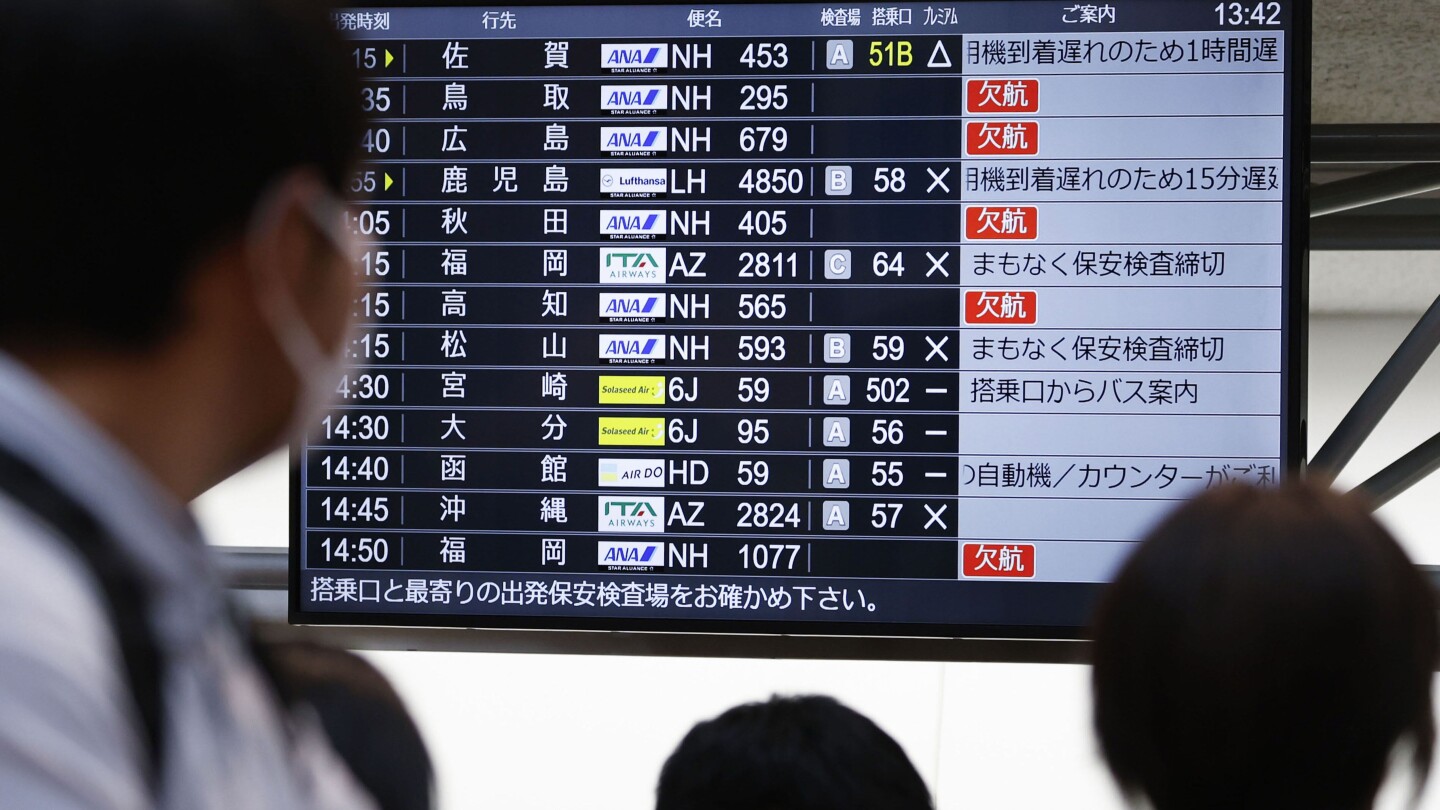
Airlines worldwide experienced operational disruptions over the weekend as carriers implemented emergency software updates for Airbus A320 family aircraft, following an investigation that linked solar radiation to potential flight control anomalies. The coordinated global action came after aviation authorities identified that intense solar activity could corrupt critical flight data, prompting both the FAA and European Union Aviation Safety Agency to mandate immediate corrective measures.
The software vulnerability first came to light following a October 30th JetBlue incident where an aircraft suddenly lost altitude during a flight from Cancun to Newark, resulting in 15 passenger injuries and an emergency diversion to Tampa. Subsequent analysis revealed that cosmic radiation interference could affect the aircraft’s angle of attack sensors, creating potential safety concerns.
Airbus confirmed Friday that the issue specifically affected its A320 series, the world’s bestselling single-aisle aircraft family and primary competitor to Boeing’s 737. The European manufacturer developed a software patch requiring approximately two hours per aircraft to install, with airlines worldwide scrambling to implement the fix during peak Thanksgiving travel period in the United States.
American Airlines, operating 209 affected aircraft among its 480 A320-family planes, reported completing most updates by Friday with remaining installations scheduled for Saturday. Delta Air Lines anticipated fewer than 50 affected aircraft, while United Airlines reported six planes requiring updates. Hawaiian Airlines reported no impact, and Air India confirmed completing updates on 40% of its affected fleet without cancellations.
International carriers including Japan’s All Nippon Airways canceled 65 domestic flights Saturday, with potential additional Sunday cancellations. European operators reported minimal disruptions, with France’s transport ministry noting an “almost complete return to normal” at French airports following overnight software installations. British Airways, Lufthansa, and SAS all reported successful updates with minimal schedule impacts.
Aviation experts noted the particular challenge of addressing the issue during peak travel season but emphasized the relative simplicity of the software fix. Mike Stengel of AeroDynamic Advisory commented: “While certainly not ideal for this to occur on such a ubiquitous aircraft during a busy holiday weekend, the silver lining is that the update requires only a few hours per plane.”