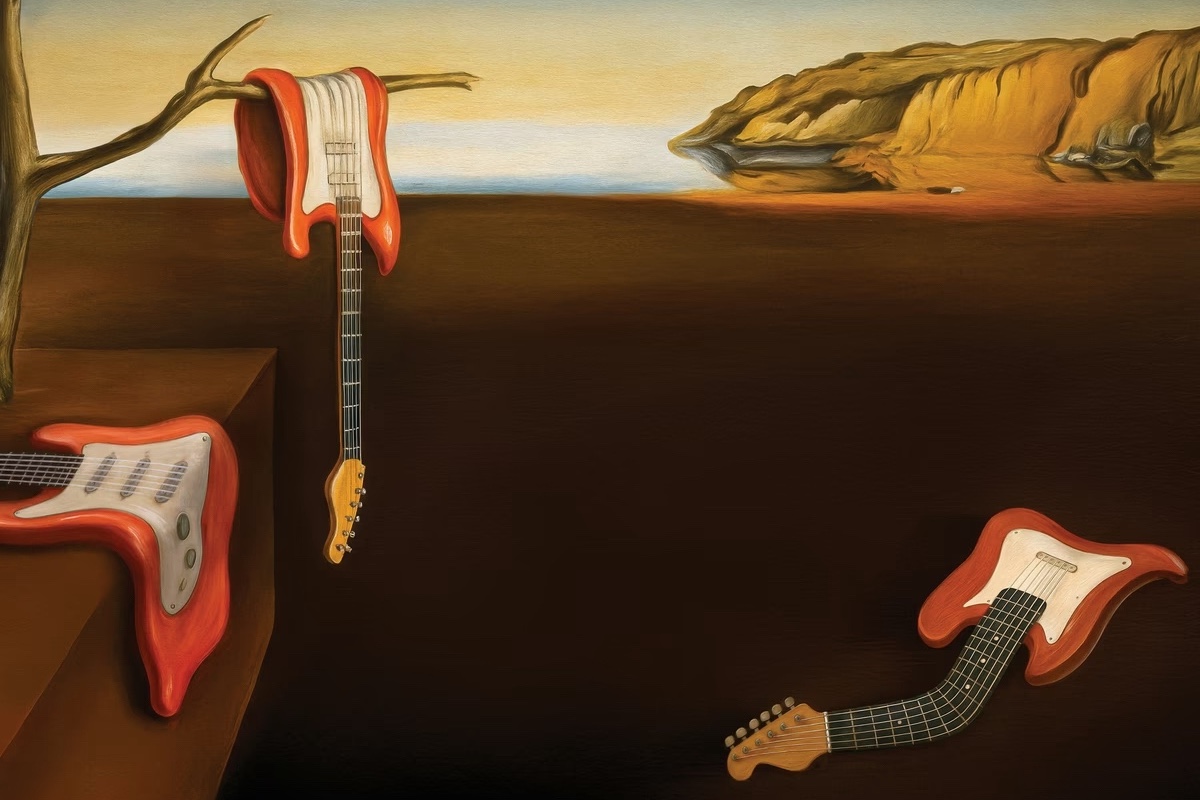
The opening lyrics from Tenacious D’s musical tribute to Bach serve as an ironic prelude to a pressing contemporary question: Has Western culture, particularly in the United States, entered a period of creative stagnation? This question has sparked vigorous debate among cultural commentators, with thinkers like Adam Mastroianni and Ted Gioia presenting compelling evidence of declining innovation across multiple creative domains.
Mastroianni attributes this cultural stagnation to increasing societal risk aversion, arguing that longer lifespans and reduced background risk have made creators and consumers more cautious. Meanwhile, Gioia points to entertainment conglomerates that prioritize intellectual property exploitation and algorithmic content delivery over genuine innovation. Both theorists support their arguments with data showing the dominance of legacy content—sequels, remakes, and adaptations—across books, films, music, television, and gaming.
Counterarguments suggest that creativity has merely migrated to new formats like memes, short-form videos, and podcasts. However, this perspective fails to explain why reduced production costs haven’t yielded more original feature films instead of endless franchise extensions.
Amid this debate, cultural theorist David Marx offers a unique perspective through his recent work ‘Blank Space: A Cultural History of the Twenty-First Century.’ Marx, author of the acclaimed ‘Ametora’ exploring Japanese fashion history, delivers a narrative account of American pop culture since 2000. The book chronicles everything from New York’s hipster scene and Pharrell Williams’ influence to the rise of reality television celebrities and internet memes.
Marx’s central thesis posits that internet culture has driven toward homogenization and commercialism, though his narrative brilliance sometimes undermines his argument by vividly resurrecting the very cultural moments he characterizes as bland. The book notably overlooks significant cultural developments including the 2000s indie film renaissance and the massive influence of Japanese cultural imports—an ironic omission given Marx’s expertise in Japanese fashion.
The discussion inevitably turns to the ‘long tail’ theory and whether niche cultural production compensates for mainstream stagnation. Evidence suggests creativity flourishes unevenly—while television and graphic novels have experienced creative explosions, film, literature, and music show concerning declines in innovative output.
Ultimately, technological factors may provide the most compelling explanation for this uneven cultural landscape. New technologies typically unlock creative possibilities that eventually become exhausted—much as electric guitars revolutionized music for decades before conventions solidified. This technological determinism suggests that cultural innovation may be inherently temporary without new technological catalysts.
The fragmentation of internet culture away from mass social media toward private communities may offer hope for renewed subcultural development. As Marx suggests, cultural innovation requires spaces where creativity can develop away from immediate commercial pressures and algorithmic optimization.
While ‘Blank Space’ excels as cultural history, its prescriptions for revitalizing creativity remain preliminary. The conversation about cultural stagnation continues, with technology, economics, and social dynamics all contributing to complex creative challenges that defy simple solutions.