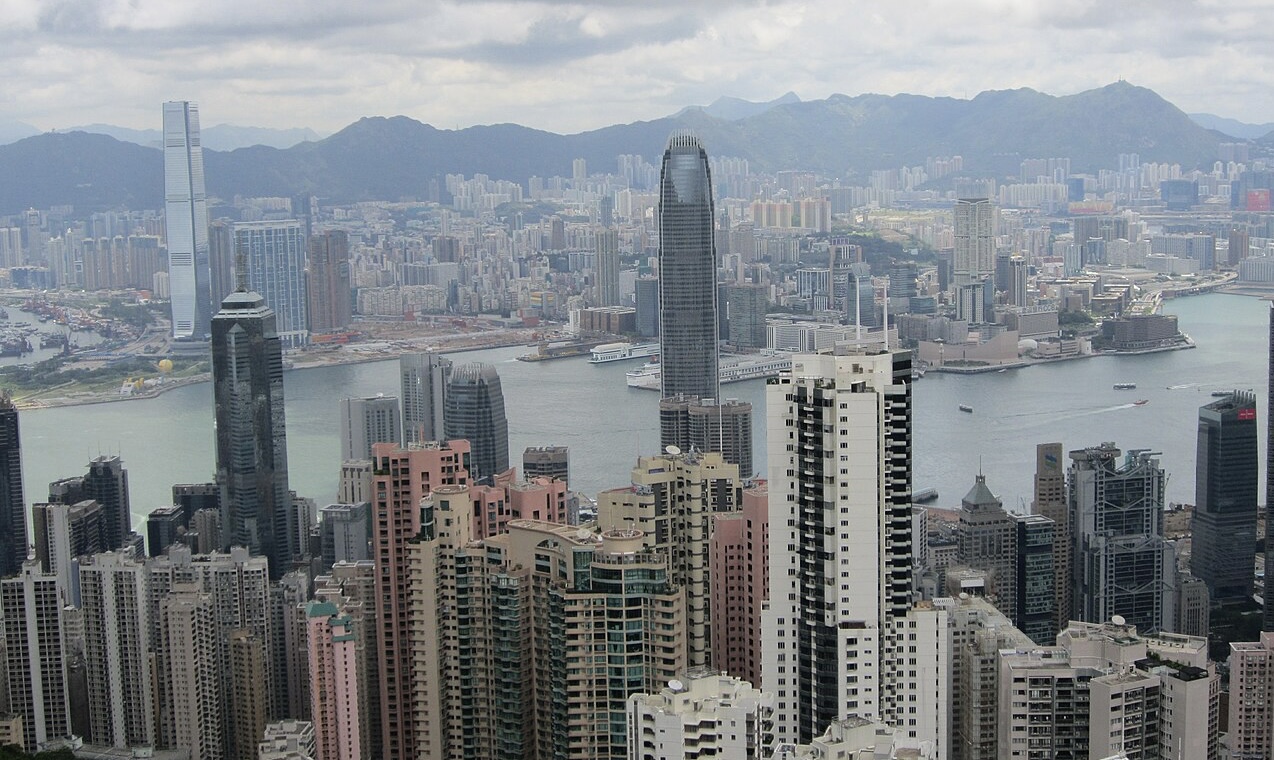
Amid widespread narratives predicting Hong Kong’s decline due to geopolitical tensions and regional competition, a more profound transformation is underway. Rather than fading into irrelevance, the city is being strategically repurposed as the central platform for China’s global financial ambitions. This structural shift positions Hong Kong with greater strategic importance to Beijing than at any point in recent decades.
Hong Kong’s evolution into China’s offshore financial command center represents a deliberate, consequential transformation that transcends conventional discussions about economic recovery. The city is being systematically integrated into the architecture of China’s ascent as a financial power, functioning not as a nostalgic relic but as a forward-facing operational platform.
The renminbi’s internationalization strategy demonstrates Hong Kong’s critical role. As Beijing pursues currency globalization, it requires a trusted global marketplace operating under international norms—a role neither Shanghai nor Shenzhen can fulfill. Hong Kong’s dominance in offshore RMB liquidity, hosting the world’s largest pool, provides China with a controlled environment that maintains global credibility. The city facilitates accelerating RMB bond issuance, swap programs, and cross-border settlement mechanisms that determine the currency’s international future through market functionality rather than political declarations.
While some observers focus on declining IPO volumes, they overlook deeper structural reforms transforming how international capital engages with China. Listing reforms, cross-border fund distribution, and enhanced market infrastructure establish Hong Kong as the most credible offshore venue for raising Chinese capital globally. China is not merely preserving Hong Kong’s status but reengineering it to channel global capital without exposing the onshore system to destabilizing flows.
This dual-track structure—onshore for scale, offshore for global reach—forms the backbone of China’s financial strategy. Hong Kong’s value now resides in strategic function rather than speculative cycles.
The wealth management sector reveals even more significant developments. As China’s affluent class expands, Hong Kong emerges as the exclusive offshore hub capable of handling Chinese wealth at global standards. Family-office incentives, tax clarity, and internationally-aligned regulatory frameworks make the city uniquely suited to manage China’s growing private capital—capital that Beijing increasingly wants deployed globally rather than domestically.
In financial innovation, Hong Kong’s new identity becomes unmistakable. While other financial centers debate digital assets and fintech regulation, Hong Kong actively builds frameworks to integrate these emerging sectors. Through virtual-asset licensing, green-finance taxonomy, and cross-border fintech pilots, the city positions itself at the frontier of financial experimentation.
This transformation extends beyond local implications, strengthening China’s capacity to influence global financial rules through participation rather than demands. Hong Kong provides unparalleled leverage in shaping capital standards, payment systems, and digital-finance architecture.
The actual risk facing Hong Kong is not irrelevance but complacency. Maintaining its comparative advantage requires moving faster than both rivals and diminishing geopolitical narratives. The city’s unique power derives from being simultaneously deeply Chinese and institutionally global—a duality that represents strength rather than vulnerability.
Hong Kong is evolving into the operational center of China’s financial modernization and the offshore engine of its global financial projection. If China emerges as a financial powerhouse in coming decades, Hong Kong will have served as the pivotal platform enabling that transformation—not as a fading star but as a quietly rising one essential to China’s global financial strategy.