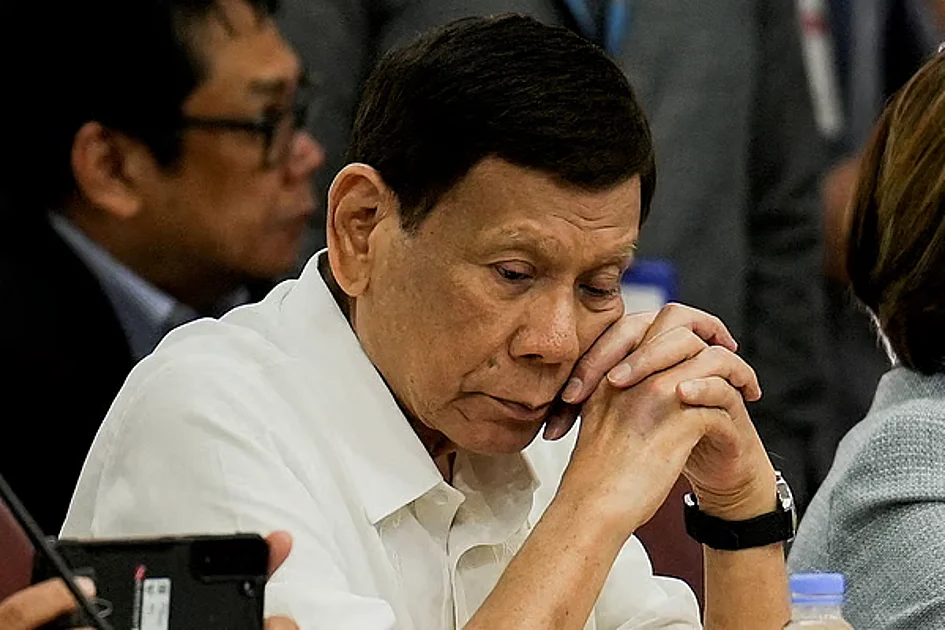
THE HAGUE – The International Criminal Court (ICC) has decisively rejected former Philippine President Rodrigo Duterte’s petition for provisional release, ensuring his continued detention at the Scheveningen facility near The Hague. The ruling came Friday from the ICC Chamber of Appeal, presided over by Peruvian Judge Luz del Carmen Ibáñez Carranza.
Duterte’s legal team had vigorously argued for his release based on humanitarian grounds, citing the former leader’s advanced age of 80 and allegedly deteriorating health condition. However, Judge Carranza dismissed these arguments, stating that the proposed release conditions “were not sufficient to mitigate the risks” associated with interim freedom for the accused.
The court further rejected defense claims that Duterte should be released for humanitarian reasons, maintaining that the seriousness of the charges warranted continued detention. According to court documents, Duterte stands accused of authorizing “violent acts including murder to be committed against alleged criminals, including alleged drug dealers and users” during his presidency from 2016 to 2022.
Duterte was apprehended in Manila on March 11 and transferred to ICC custody, where he appeared visibly frail during his initial video court appearance. The charges against him stem from his controversial anti-drug campaign that human rights organizations claim resulted in thousands of extrajudicial killings.
The ICC has yet to determine whether Duterte is medically fit to stand trial. This latest ruling follows an October decision that rejected defense arguments challenging the court’s jurisdiction over three separate charges of crimes against humanity. These charges encompass:
– 19 murders occurring between 2013-2016 during Duterte’s tenure as Davao City mayor
– 14 killings of alleged drug bosses in 2016-2017 during his presidency
– 43 killings of suspected low-level drug offenders
Official Philippine National Police estimates place the death toll during Duterte’s drug war at over 6,000, while independent human rights organizations suggest the actual figure may reach 30,000. The case continues to draw international attention as victims’ families and human rights advocates closely monitor proceedings.