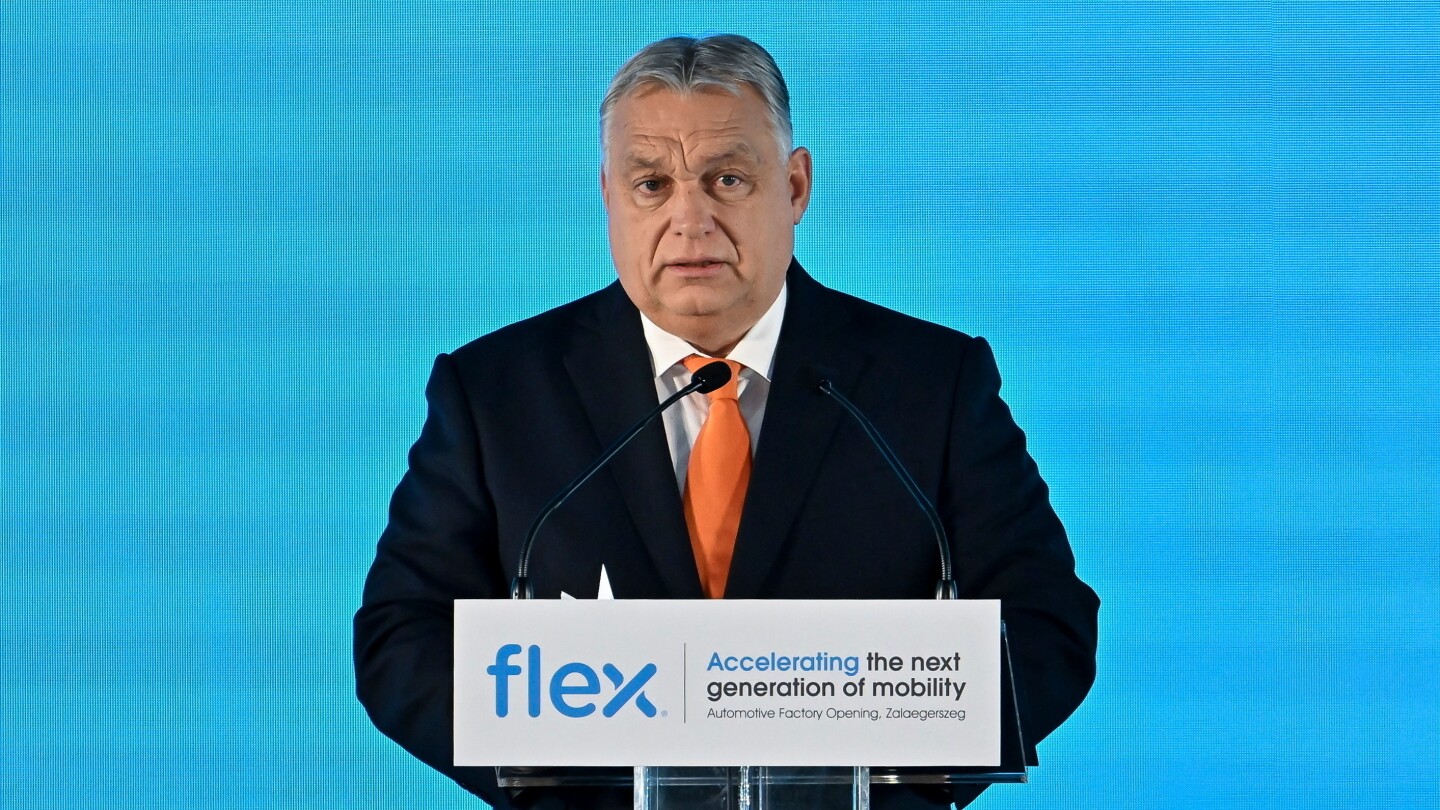
In a diplomatic move that underscores deepening divisions within the European Union, Hungarian Prime Minister Viktor Orbán embarked on a high-stakes visit to Moscow for energy negotiations with Russian President Vladimir Putin. This meeting represents one of the few instances of a European leader engaging directly with the Kremlin amid ongoing hostilities in Ukraine.
Orbán, widely regarded as Putin’s most sympathetic counterpart among EU leadership, emphasized the critical nature of these discussions for Hungary’s energy infrastructure. Speaking to state media prior to his departure from Budapest, the Prime Minister articulated his mission to secure continued access to affordable Russian oil and gas resources—commodities that have become increasingly constrained under international sanctions.
Hungary maintains a distinctive position within the European bloc as one of the few nations continuing substantial imports of Russian fossil fuels. The Hungarian government has consistently resisted collective EU initiatives aimed at reducing dependency on Russian energy, positioning itself at odds with broader European security and policy objectives.
This Moscow visit follows Orbán’s recent diplomatic success in Washington, where he secured a significant exemption from U.S. sanctions targeting Russian energy giants Lukoil and Rosneft during meetings with former President Donald Trump. Orbán characterized this achievement as vital for safeguarding Hungary’s energy security framework.
The Prime Minister defended his energy diplomacy, stating: “With the sanctions exemption now secured, our priority remains obtaining the actual resources. I am traveling to Moscow to guarantee Hungary’s energy supply at economically viable pricing for both the immediate winter season and the subsequent year.”
Orbán has repeatedly asserted that Russian energy imports constitute an indispensable component of Hungary’s economic stability, warning that transitioning to alternative sources would trigger immediate economic disruption. While other European nations have progressively reduced Russian energy imports, Hungary has not only maintained but expanded its procurement, simultaneously opposing EU plans for complete elimination of Russian fossil fuels by 2027.