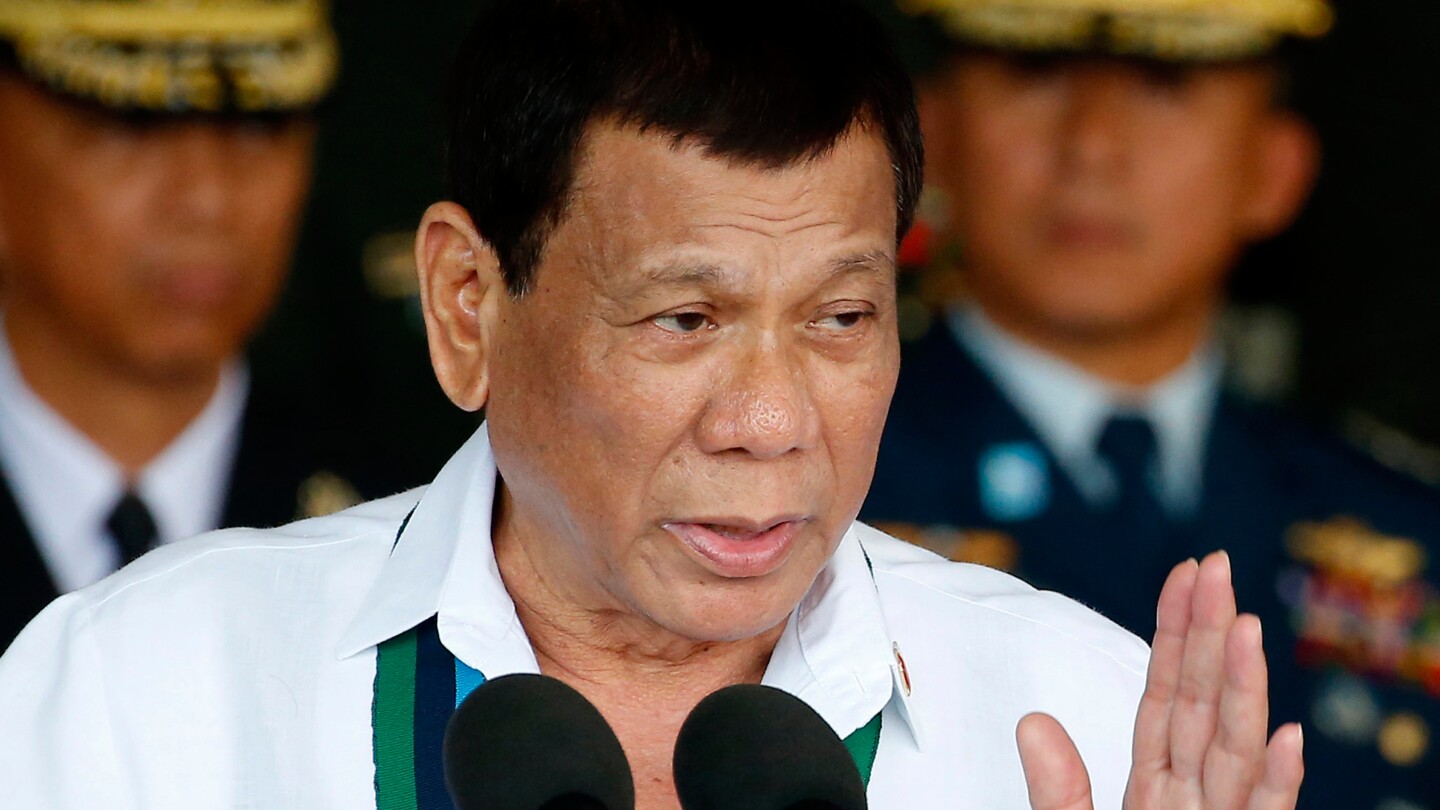
THE HAGUE, Netherlands — The International Criminal Court is poised to deliver a pivotal ruling on Friday regarding the potential release of former Philippine President Rodrigo Duterte from detention. Appeals judges will determine whether the octogenarian leader should be granted freedom while ongoing proceedings continue regarding charges of crimes against humanity.
This legal development follows an October decision that maintained Duterte’s custody after judges determined he posed a flight risk and potential witness intimidation threat. ICC prosecutors allege Duterte’s direct involvement in dozens of extrajudicial killings during his controversial war on drugs campaign, first as mayor of Davao City and subsequently as president. Court documents indicate he allegedly instructed and authorized “violent acts including murder” against suspected criminals.
The human toll of Duterte’s anti-drug campaign remains contested. Official national police statistics report over 6,000 fatalities, while human rights organizations estimate casualties could reach 30,000. Victims’ families celebrated Duterte’s initial arrest in March as a landmark moment for accountability.
Duterte’s defense team contends their client suffers from significant physical and cognitive decline, describing his continued detention as “cruel” given his alleged inability to assist with his own legal defense. The court previously postponed pretrial proceedings in September pending comprehensive medical evaluation.
Should appeals judges rule in Duterte’s favor, he would not return to the Philippines but instead be transferred to another ICC member state’s custody during continuing legal proceedings. This case represents a critical test for international justice mechanisms confronting allegations of state-sanctioned violence.
The legal pathway to this moment began in February 2018 when ICC prosecutors initiated a preliminary investigation into Duterte-era violence. The former president subsequently withdrew the Philippines from the Rome Statute, a move critics characterized as an attempt to evade accountability. ICC judges have consistently maintained jurisdiction, ruling that nations cannot abuse withdrawal procedures to shield individuals from justice for crimes already under consideration.