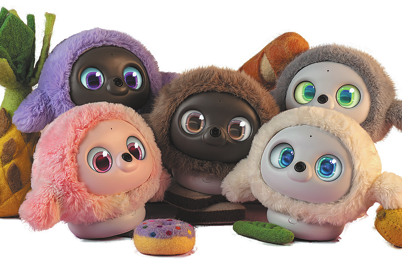
In a significant technological advancement within the emotional AI sector, robotic companion pets are emerging as innovative solutions for urban professionals seeking low-maintenance companionship. These AI-driven creations, exemplified by products like Ropet and Moflin, combine sophisticated sensor technology with emotionally responsive behaviors to simulate genuine pet interactions.
The Ropet robotic pet, developed specifically for young female white-collar workers, represents a breakthrough in emotional artificial intelligence. Priced at $299 for its basic version, this feline-inspired device features multi-sensor capabilities including a nasal camera, forehead microphone, and tactile sensors that enable it to perceive and respond to human interactions through audio, visual, and touch inputs. The unit’s LED-screen eyes display food imagery during feeding interactions, while its AI model allows for personality development based on user treatment patterns.
Market validation has been substantial, with Ropet’s Kickstarter campaign attracting 1,134 backers and raising approximately $400,000—exceeding its initial goal by 300 times. Similarly, Casio’s Moflin AI rabbit toy sold over 7,000 units at 59,400 yen ($380) each within months of release.
According to industry analysis by Global Market Insights, the emotion AI market is projected to expand from $2.9 billion last year to $19.4 billion by 2034, indicating robust growth potential for companion robotics. The technology’s appeal lies in its ability to stimulate oxytocin secretion while reducing anxiety and depression through non-verbal companionship.
He Jiabin, CEO and co-founder of Ropet, emphasizes that these devices provide ‘soft companionship’ rather than verbal communication, intentionally designed to trigger caregiving instincts and childlike playfulness. Users like tech columnist Yoky Liu report meaningful emotional connections with their robotic companions, noting that the devices’ evolving personalities reflect their own behavioral patterns over time.
This technological innovation addresses growing urban loneliness while offering a cost-effective alternative to traditional pet ownership, representing a significant convergence of artificial intelligence, emotional wellness, and consumer electronics.