The United Arab Emirates has announced a major $1 billion investment initiative to revitalize the electricity infrastructure in government-controlled areas of Yemen, marking a significant development in the war-torn nation’s recovery efforts. The commitment was formally declared by Emirati ambassador Mohammed Hamad al-Zaabi during an energy forum in Aden, the interim capital where Yemen’s internationally recognized government is based.
The comprehensive investment package will fund the construction of diverse power generation facilities, incorporating solar and wind renewable energy sources alongside traditional oil-fired power stations. This strategic diversification aims to create a more resilient energy grid capable of meeting the substantial power deficits that have plagued Yemen for years.
Yemeni Prime Minister Salem ben Brik confirmed the substantial support from the UAE, characterizing electricity supply as ‘a chronic problem accumulated over many years’ that requires immediate addressing. The energy crisis has been particularly severe in Aden, where residents frequently endure prolonged blackouts that force them to rely on candlelight for both living and working conditions.
Separately, Ali Alshimmari, representing Abu Dhabi-based Global South Utilities, announced parallel projects valued at $1 billion, emphasizing that the investment strategy encompasses not merely energy production but also critical transmission and distribution infrastructure. This announcement was made through channels associated with the Southern Transitional Council (STC), which participates in Yemen’s power-sharing government.
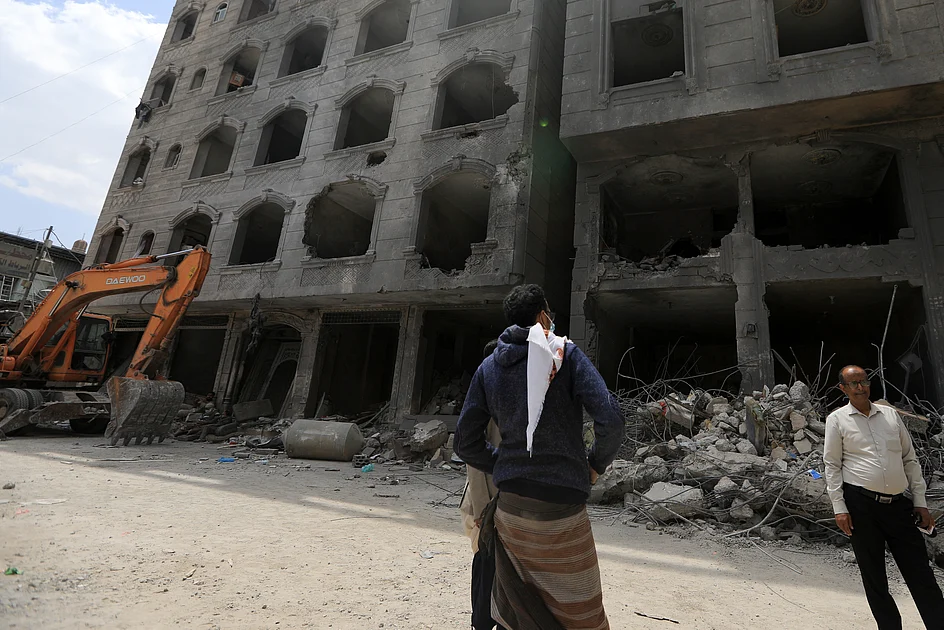
The current administration in Aden was established in late 2020 through Saudi-brokered negotiations that unified ministers loyal to former president Abedrabbo Mansour Hadi and the STC. Yemen’s infrastructure, including hospitals and power facilities, has suffered catastrophic damage during the prolonged conflict between government forces and Iran-backed Houthi rebels, who control Sanaa and most major population centers.
Even before the conflict began in 2014, Yemen’s energy infrastructure was inadequate, with only approximately two-thirds of the population having access to the public electricity grid. The civil war has resulted in hundreds of thousands of casualties and created one of the world’s most severe humanitarian crises, though hostilities have largely been frozen since a 2022 ceasefire took effect.