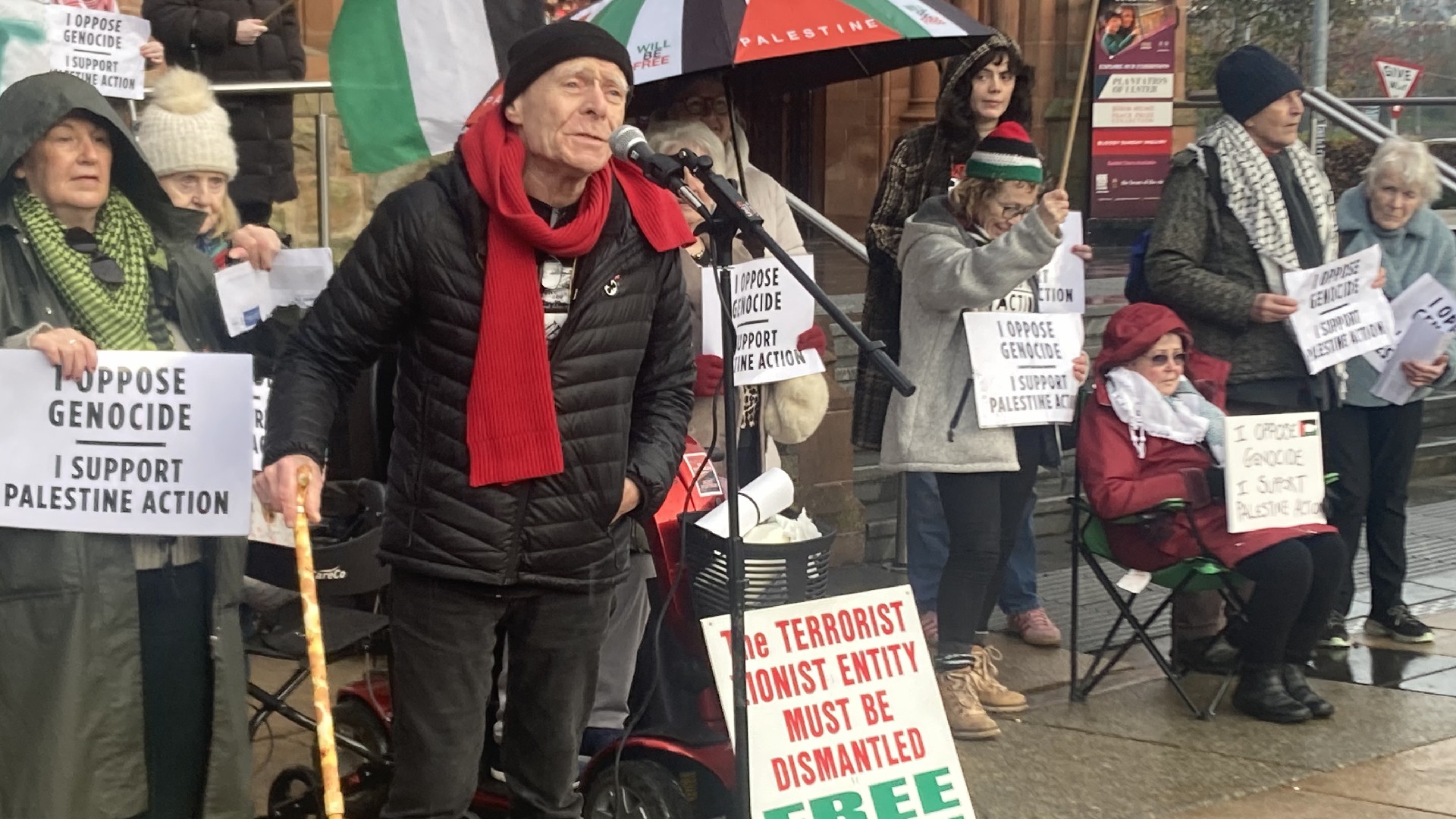
In the shadow of Derry’s Guildhall, a determined group of elderly protesters gathers weekly, holding handwritten placards that declare: ‘I oppose genocide, I support Palestine Action.’ This act of defiance carries profound historical significance in a city that served as the epicenter of Northern Ireland’s Troubles. Many participants, leaning on walking sticks or seated in wheelchairs, are veterans of the civil rights movement that challenged British authority decades ago.
The UK Labour government’s July 2025 proscription of Palestine Action under terrorism legislation has resulted in over 2,000 arrests nationwide for displaying support. The ban followed activists’ breach of RAF Brize Norton air base, where they damaged military aircraft. While London protests have seen mass arrests, Derry’s demonstrations have proceeded with minimal police intervention—for now.
This contrast highlights Northern Ireland’s complex policing environment, where the government’s ban has sparked concerns about reverting to partisan enforcement practices. The Good Friday Agreement of 1998 promised to end discriminatory policing that historically targeted Catholic and Republican communities. Yet rights organizations argue the Home Office failed to conduct proper community impact assessments specific to Northern Ireland before implementing the ban.
Eamonn McCann, a prominent civil rights organizer who received an ‘advisory letter’ from police regarding his protest participation, draws direct parallels to the 1970s when terrorism laws targeted Irish rights activists. ‘People carrying these placards are at risk of fairly long terms of imprisonment for standing with a placard. Where is freedom gone?’ McCann questioned.
The Committee on the Administration of Justice (CAJ) attempted to intervene in the judicial review of the ban, arguing it could disproportionately affect Catholic and nationalist communities where Palestinian solidarity is strongest. Director Daniel Holder warned the proscription ‘lowers the bar’ for what constitutes terrorism, potentially undermining efforts to disband loyalist paramilitary groups that remain active despite their proscribed status.
Evidence reveals policing disparities: while three Palestine Action supporters face Terrorism Act charges in Northern Ireland, authorities have taken no action against recent parades by proscribed loyalist groups displaying paramilitary insignia.
For protesters like Maire McNally, arrested at 75 for wearing a ‘We are all Palestine Action’ T-shirt, and Kate Nash, whose brother was killed on Bloody Sunday, the current crackdown evokes painful historical echoes. Their continued activism, rooted in Derry’s tradition of civil resistance, challenges what they perceive as the erosion of hard-won freedoms in post-agreement Northern Ireland.