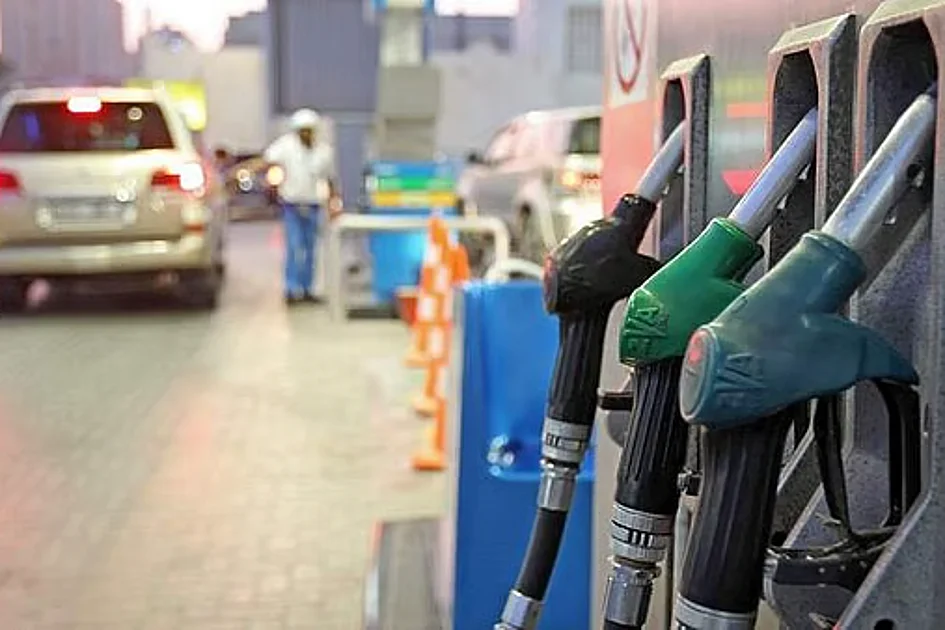
Dubai has enacted stringent regulatory measures targeting unauthorized petroleum trading activities through a landmark resolution issued by the Crown Prince. The comprehensive framework establishes the Dubai Supreme Council of Energy as the primary regulatory authority overseeing all petroleum-related operations within the emirate.
The resolution introduces a tiered penalty system with fines escalating to Dh1 million for repeated violations occurring within a twelve-month period. This regulatory overhaul encompasses the entire petroleum supply chain—from importation and manufacturing to storage, transportation, and retail distribution—aligning Dubai’s practices with international standards.
Key provisions mandate that all entities engaged in petroleum trading must obtain formal authorization through a verified licensing process. The legislation requires thorough documentation proving petroleum materials originate from Council-approved sources, with maintained records for minimum five-year periods. Retail operations must display transparent pricing while adhering to strict safety protocols for storage and transportation.
Enforcement mechanisms grant the Supreme Council of Energy extensive authority, including permit cancellation, temporary facility closures for up to six months, commercial license revocation, and seizure of non-compliant materials and vehicles. Violators bear full financial responsibility for rectifying infractions, with administrative costs adding 25% premium for council-mediated corrections.
The regulatory framework establishes specific validity periods for permits, guidelines for inter-emirate transportation, and standards for retail fuel station establishment. All entities—including those in special development zones and free zones—must register with the Ministry of Energy and Infrastructure’s Petroleum Trading Register, with limited exemptions for federally-approved companies.
Existing operators have a twelve-month compliance window from the resolution’s effective date, potentially extendable for an additional year with Council Chairman approval. The legislation mandates full cooperation from all government and private entities in supporting the Council’s oversight responsibilities.
The Supreme Council’s expanded duties now include market competition regulation, technical standard approval, fuel station location planning according to urban development strategies, and designation of petroleum-trading prohibited zones in coordination with relevant authorities.