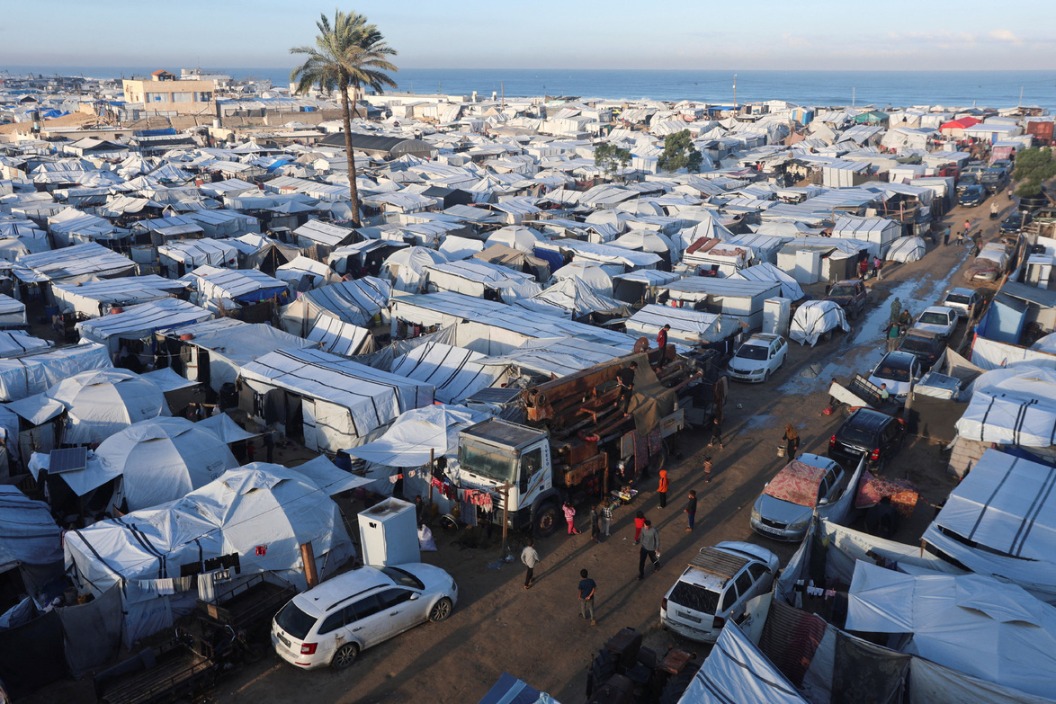
The highly anticipated Gaza reconstruction conference, initially scheduled for November in Cairo, has been postponed indefinitely due to escalating violence in Gaza and the West Bank. This delay has cast a shadow of uncertainty over the next phase of the ceasefire agreement between Israel and Hamas. Egyptian Prime Minister Mostafa Madbouly had previously confirmed Egypt’s readiness to host the event during his speech at the G20 summit in Johannesburg, South Africa, but did not specify a date. According to Arabic outlet Asharq Al-Awsat, an Egyptian source revealed that the conference’s postponement stems from the ongoing Israeli escalation and repeated violations, which have left many countries demanding guarantees against future destruction in Gaza. These guarantees remain unsecured, further complicating the situation. Recent weeks have seen both Israel and Hamas accusing each other of breaching the truce, with the United Nations and various media outlets reporting Israeli strikes resulting in civilian casualties, including children. The Israel Defense Forces have justified their actions by claiming that Hamas fighters are emerging from underground tunnels and posing threats to their troops. Meanwhile, the Israeli Prime Minister’s office has emphasized that Hamas must uphold its commitments to mediators and return all hostages, including the remains of two captives still missing in Gaza. UN Secretary-General Antonio Guterres has urged parties to maintain the ceasefire and capitalize on the diplomatic momentum, describing the October agreement as a ‘glimmer of hope.’ However, the postponement of the Cairo conference coincides with a new UN report highlighting the dire economic crisis in the occupied Palestinian Territory, which has erased 69 years of human development. The report estimates that the cost of Gaza’s reconstruction exceeds $70 billion, placing it among the top 10 worst global economic crises since 1960. Omer Behram Ozdemir, a lecturer at Ibn Haldun University in Turkiye, stressed that prolonged negotiations have exacerbated Gaza’s infrastructure damage and eroded its commercial potential. He called for significant funding from Gulf countries and Egypt to restore normalcy in Gaza, emphasizing that mere reconstruction of the city will not suffice.