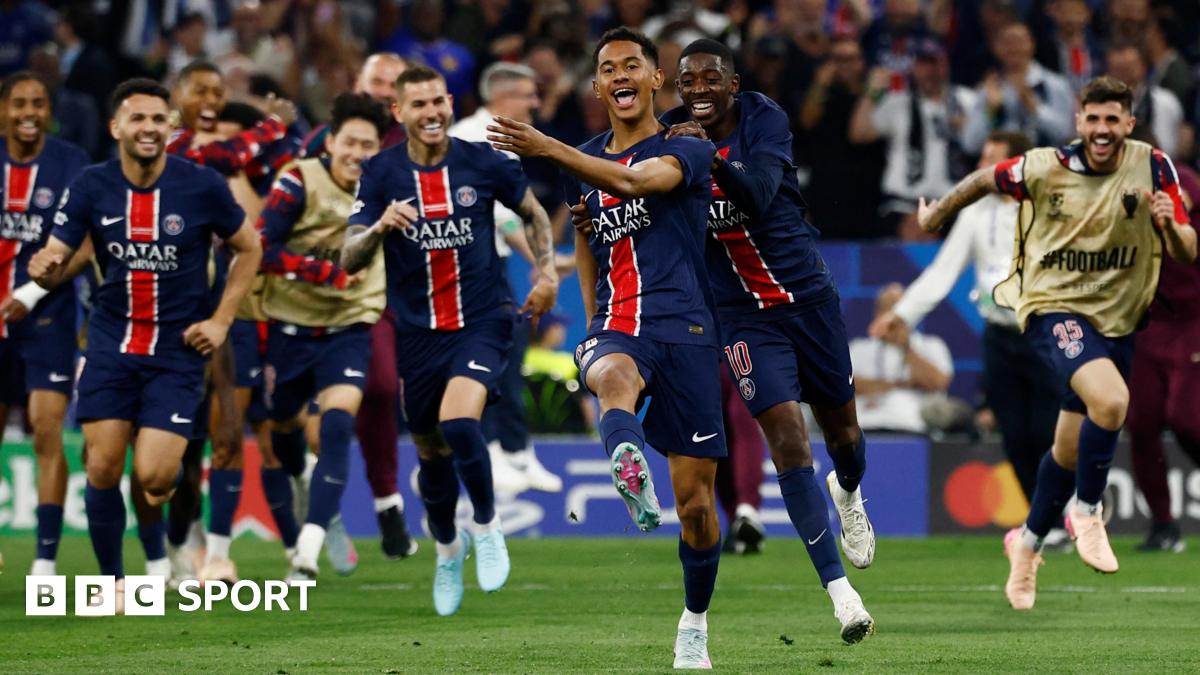
Paris Saint-Germain (PSG) is undergoing a transformative shift, prioritizing homegrown talent over high-profile signings. This strategic pivot marks the end of the club’s ‘bling-bling’ era, characterized by extravagant acquisitions, and ushers in a new chapter focused on nurturing local players. The change has been accelerated by an early-season injury crisis, which has thrust several academy graduates into the spotlight. This season, as many as five Parisian-born players have featured in the first team, showcasing the club’s commitment to its youth development program. The move to the state-of-the-art PSG Campus, a sprawling 59-hectare facility, has been instrumental in this transition. The complex, inaugurated a year ago, houses the men’s and women’s teams, their youth sides, and includes 16 pitches, accommodation for 140 young players, and educational facilities. Sporting advisor Luis Campos emphasized the club’s long-term vision of integrating more Parisian players into the first team. ‘The idea is to have players in every age group who can climb the steps,’ Campos stated, referencing the literal staircase of the PSG Campus, where the senior team trains at the top. This approach aims to reduce reliance on the transfer market, with Campos likening frequent signings to ‘going to the supermarket often doesn’t make you a better cook.’ The strategy has already yielded success, with players like Senny Mayulu and Warren Zaire-Emery making significant contributions. Mayulu, a versatile 19-year-old, has become a key figure, scoring crucial goals, including in the Champions League final. Zaire-Emery, who made his debut at 16, has rediscovered his form and is captaining the injury-hit squad. Yohan Cabaye, the academy director, praised the resilience and character of these young players, particularly Mayulu, who overcame multiple injuries in his formative years. However, Cabaye cautioned against using Zaire-Emery as a benchmark, noting that not every 16-year-old can replicate his rapid rise. PSG’s focus on youth extends to fending off competition from other clubs, with a dedicated team of scouts monitoring local talent. The under-19 side’s recent league title retention and continental success have further validated the academy’s effectiveness. Despite challenges, including a recent labor inspection highlighting workload issues, PSG remains committed to its youth-centric strategy. As the club prepares for upcoming fixtures, the new generation of homegrown talent is poised to play a pivotal role in PSG’s continued success on the European stage.