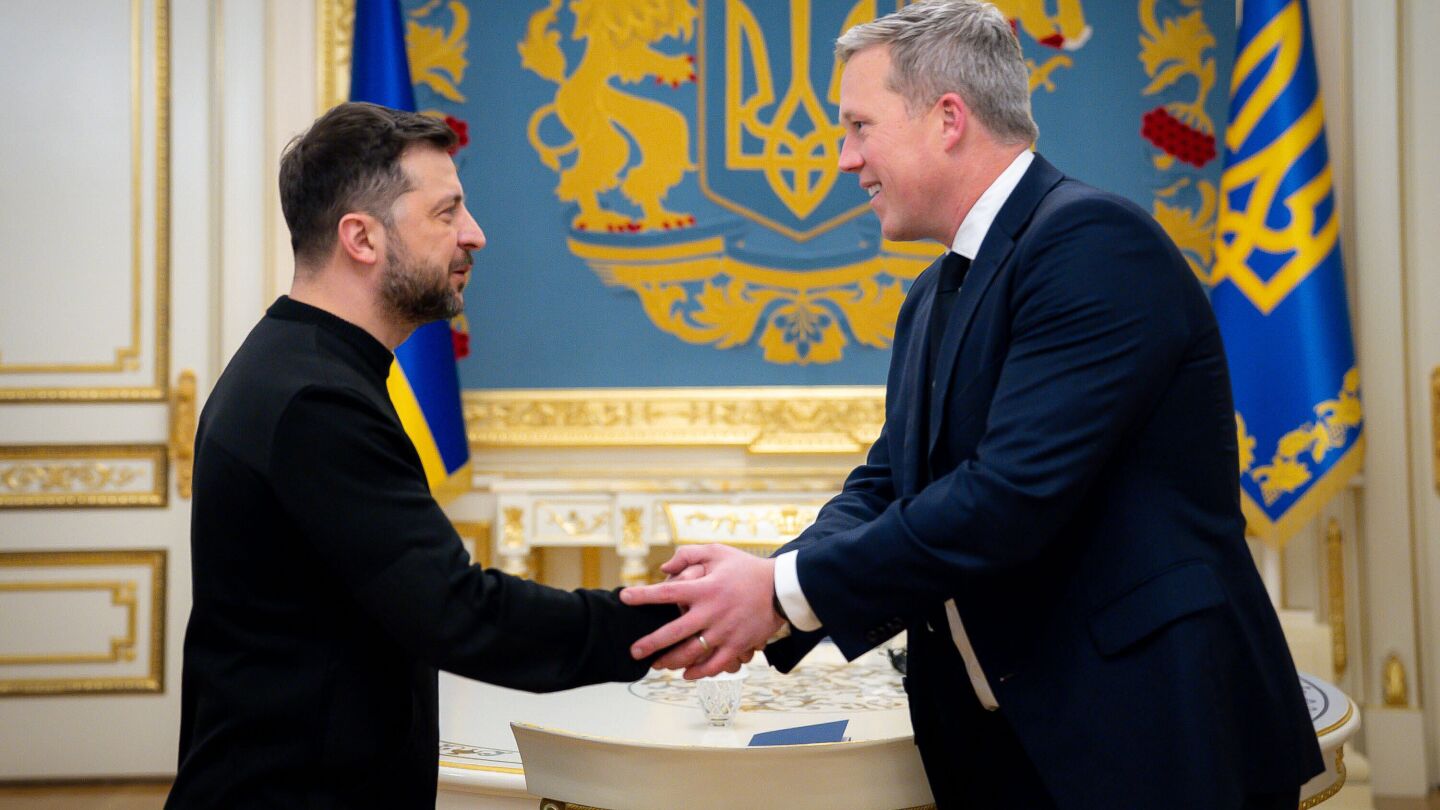
The protracted Russia-Ukraine conflict, now nearing its fourth year, has witnessed numerous failed peace initiatives and high-level diplomatic summits. A recent U.S.-backed proposal has reignited diplomatic efforts, drawing mixed reactions from Kyiv, Moscow, and European capitals. The 28-point plan, heavily tilted toward Russia’s interests, calls for Ukraine to cede the Donbas region, limit its military to 600,000 personnel, and bar future NATO membership. These conditions have sparked alarm in Ukraine and its European allies, who swiftly countered with revised proposals emphasizing Ukraine’s sovereignty and security. Ukrainian and European leaders expressed cautious optimism about the talks’ momentum, though critical responses from Washington and Moscow remain pending. U.S. President Donald Trump announced the dispatch of envoy Steve Witkoff to meet Russian President Vladimir Putin, signaling progress toward a potential deal. However, leaked transcripts of discussions between Witkoff and Putin’s advisor, Yuri Ushakov, have raised concerns about the transparency and integrity of the negotiations. Meanwhile, the 35-nation Coalition of the Willing, including key European allies, convened to bolster Ukraine’s security post-ceasefire, though U.S. commitment remains uncertain. Amid war-weariness and mounting casualties, the fragile peace process faces significant challenges, with domestic issues plaguing both Ukrainian President Volodymyr Zelenskyy and Trump. Analysts warn that Russia’s perceived lack of urgency and Ukraine’s mounting pressure could complicate the path to a lasting resolution.
Trump’s Ukraine peace plan ignites diplomatic flurry but major hurdles lie ahead