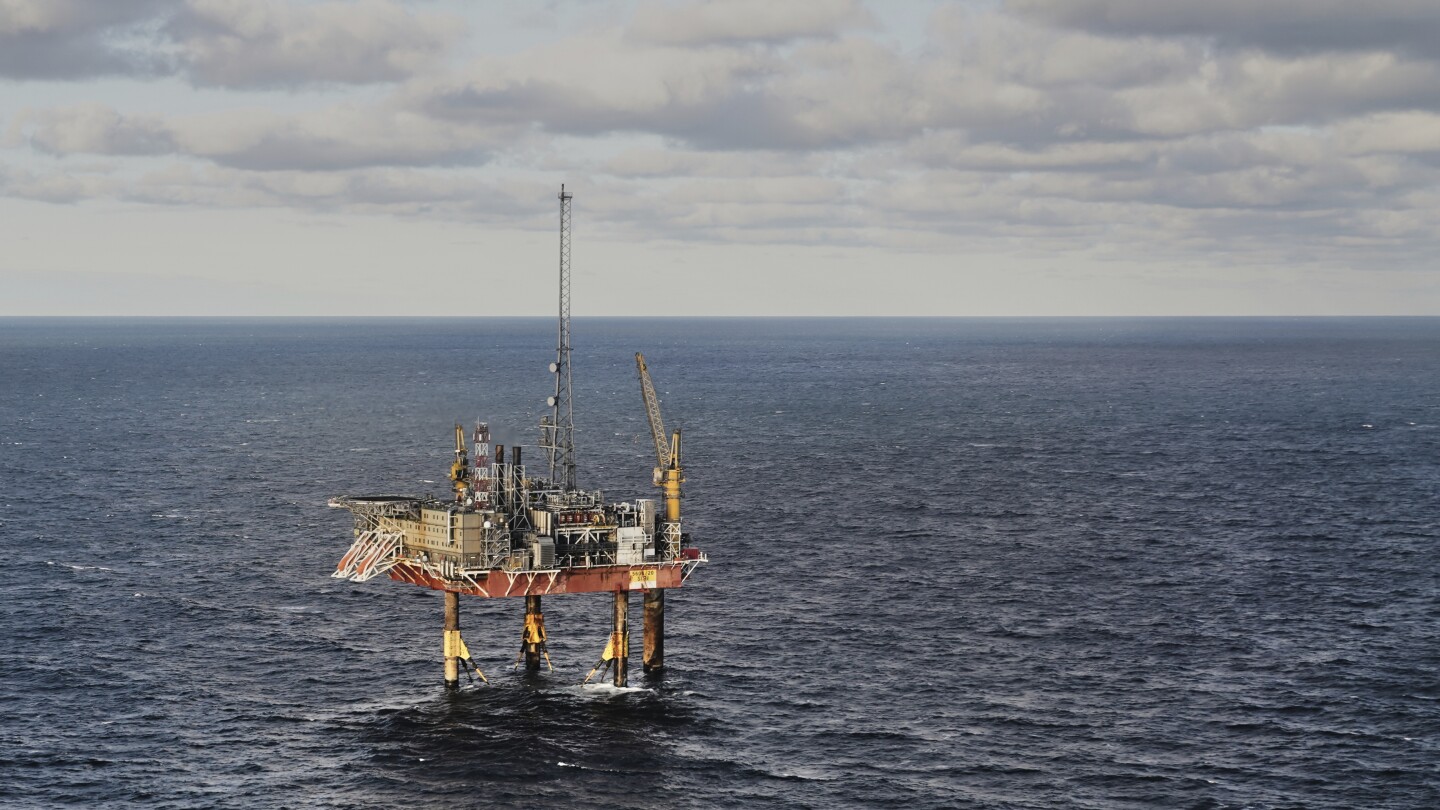
In a groundbreaking initiative, the Nini oil field in Denmark’s North Sea is being repurposed from fossil fuel extraction to a permanent carbon dioxide storage site. Spearheaded by chemical giant INEOS, the Greensand Future project aims to inject liquefied CO2 into depleted oil reservoirs 1,800 meters beneath the seabed. This innovative approach, which effectively reverses the oil extraction process, is set to commence commercial operations next year, marking the European Union’s first fully operational offshore CO2 storage facility. The project will initially store 400,000 tons of CO2 annually, with plans to scale up to 8 million tons by 2030. Denmark’s geological survey confirms the suitability of the Greensand sandstone rock for this purpose, citing its porous structure and secure seal rock. While proponents hail carbon capture and storage (CCS) as a vital tool in combating climate change, critics argue it should not overshadow the urgent need for emission reductions. Environmental groups like Greenpeace caution against over-reliance on CCS, emphasizing the importance of cutting emissions at their source. Despite these concerns, INEOS is expanding its efforts, including potential development of another North Sea oil field, as part of Europe’s broader energy transition.