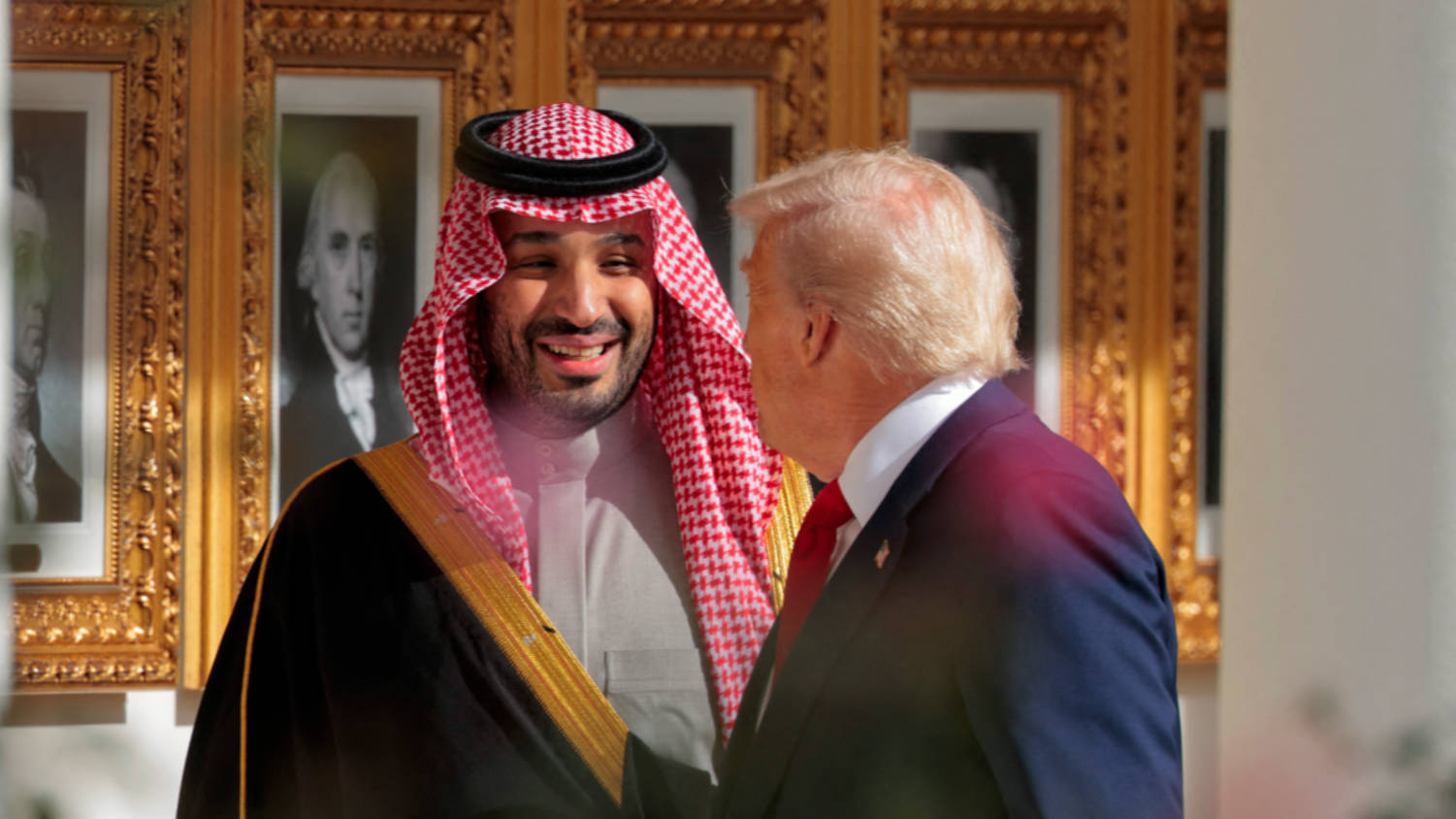
Saudi Crown Prince Mohammed bin Salman’s recent visit to Washington highlighted significant economic and military agreements with the United States, including a multi-billion-dollar investment pledge and the acquisition of F-35 fighter jets. However, the Crown Prince stopped short of fulfilling a long-standing U.S. aspiration: the formal normalization of relations between Saudi Arabia and Israel. This reluctance comes amid escalating regional tensions and Israel’s controversial military actions in Gaza, Lebanon, Yemen, Iran, Syria, and Qatar, which have sparked widespread anger across the Arab world. The Crown Prince emphasized the importance of a two-state solution as a prerequisite for any normalization, reflecting Saudi Arabia’s cautious approach to regional diplomacy. The Abraham Accords, brokered by the Trump administration, have seen several Arab nations, including the UAE, Bahrain, Morocco, and Sudan, establish formal ties with Israel. However, these agreements have faced criticism from Palestinians and other Arab states, particularly in light of Israel’s aggressive policies in occupied territories. Saudi Arabia’s stance underscores the complex geopolitical landscape of the Middle East, where historical grievances and ongoing conflicts continue to shape diplomatic relations.