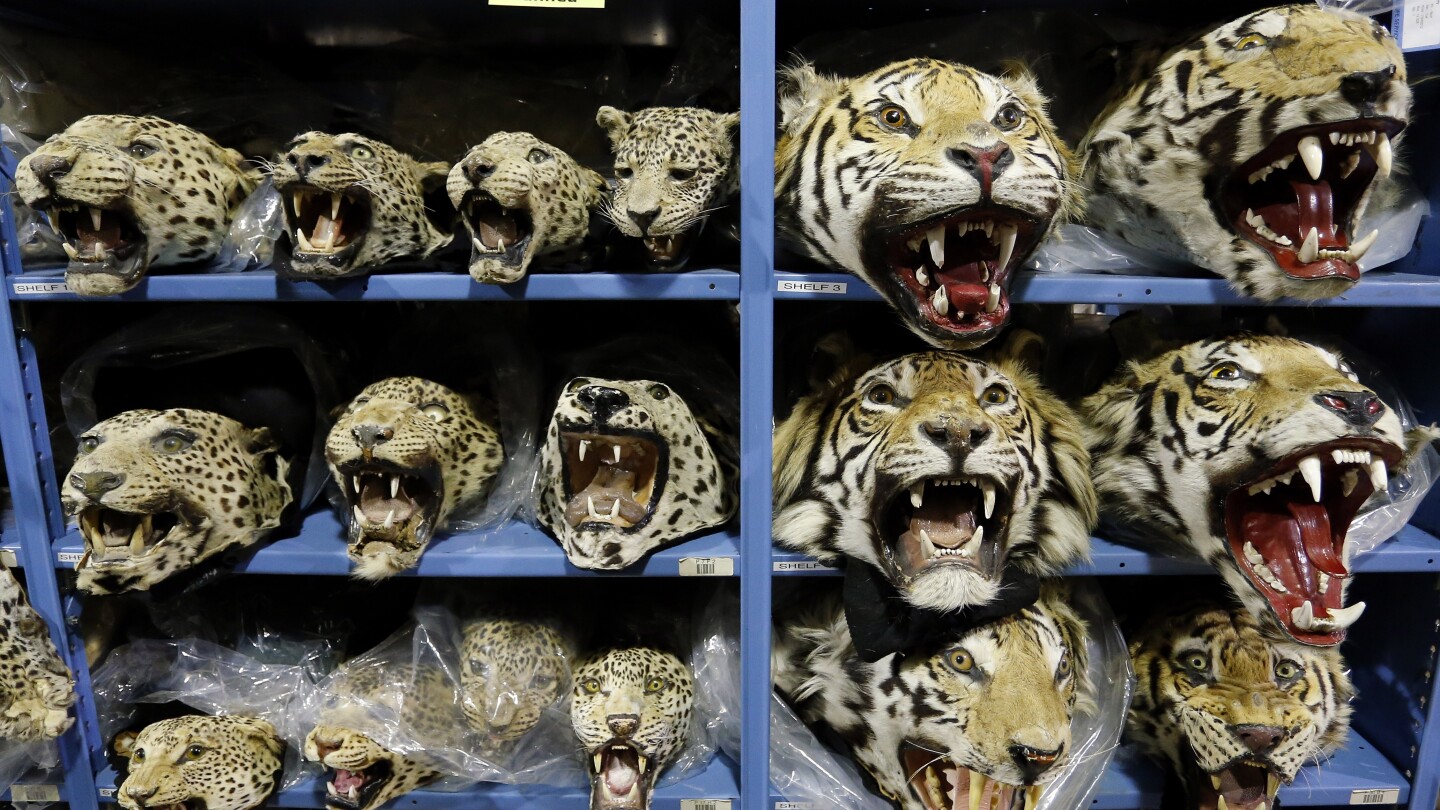
A recent report by TRAFFIC, a wildlife trade monitoring network, has revealed a alarming surge in tiger trafficking, with an average of nine tigers seized each month over the past five years. This crisis poses a significant threat to the survival of one of the planet’s most iconic species. The global wild tiger population, which stood at around 100,000 a century ago, has now dwindled to an estimated 3,700-5,500. Despite decades of international protection, the illegal trade in tigers is accelerating, with a notable shift towards trafficking whole animals, whether living or dead. Experts suggest this trend may be linked to captive-breeding operations, increased exotic pet ownership, and demand for taxidermy. Between 2000 and mid-2025, law enforcement agencies globally recorded 2,551 seizures involving at least 3,808 tigers. The worst years for seizures were 2019 and 2023, with 141 and 139 incidents respectively. Most seizures occurred in countries with wild tiger populations, such as India, China, Indonesia, and Vietnam, but significant incidents were also reported in Mexico, the U.S., and the United Kingdom. The report highlights a dramatic shift in trafficking patterns, with whole animal carcasses and live tigers now accounting for a larger proportion of seizures compared to tiger parts. The report identifies several hotspots for intervention, including India and Bangladesh’s tiger reserves, Indonesia’s Aceh region, and the Vietnam-Laos border. It also notes a growing convergence of species in trafficking incidents, with nearly one in five involving other threatened wildlife such as leopards, bears, and pangolins. The report emphasizes the need for strong international cooperation and intelligence-led, multi-agency enforcement to disrupt organized crime networks. Leigh Henry, director of wildlife conservation at WWF, warned that illegal trade remains the greatest immediate threat to wild tigers and called for urgent investments to combat trafficking at all points along the trade chain.