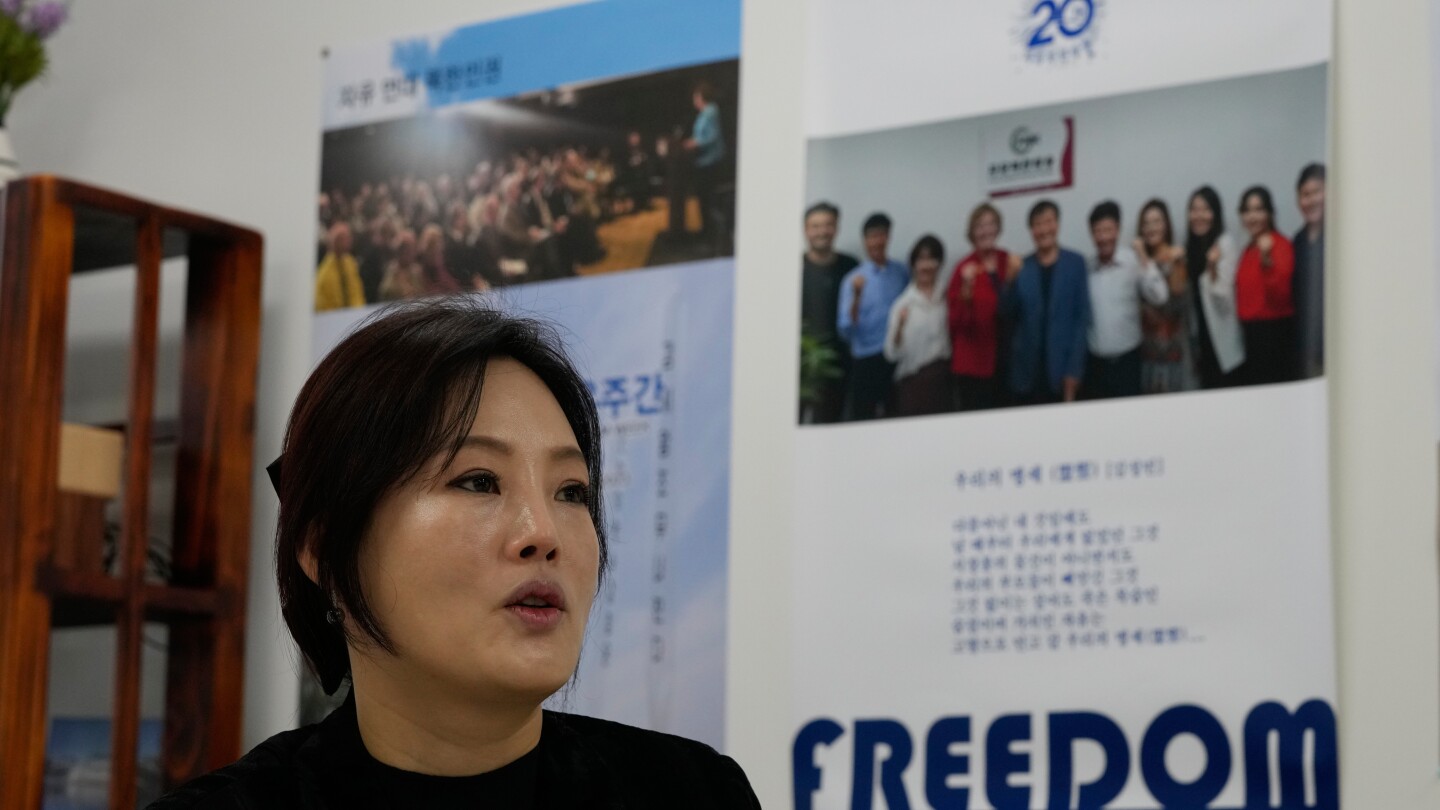
In a bold effort to provide uncensored news to North Korea, Lee Si-young and her team at Free North Korea Radio (FNK) broadcast foreign news into the authoritarian state for two hours daily. Despite the risks—North Koreans caught listening could face imprisonment—the Seoul-based station has persisted for two decades. However, Lee now faces a crisis as major U.S. and South Korean government-funded broadcasters, including Voice of America and Radio Free Asia, have ceased operations due to funding cuts and policy shifts. These suspensions have left FNK as one of the few remaining sources of outside information for North Korea’s 26 million citizens. Lee, a defector who leads the small NGO, expressed growing frustration with the U.S. and South Korean governments, fearing they have abandoned North Koreans. The station’s survival is critical, as North Korea’s state-controlled media restricts access to independent news. Defectors have testified to modifying radios or using smuggled devices to access foreign broadcasts, which offer perspectives on the Kim dynasty, Western lifestyles, and defector success stories. However, a recent assessment by 38 North, a respected academic website, revealed that outside radio broadcasting into North Korea has declined by 85% following U.S. and South Korean funding cuts. Despite these challenges, Lee Young-hyeon, a defector-turned-lawyer, launched a website and mobile app targeting North Koreans abroad, aiming to provide practical content and foster awareness of global freedoms. Observers remain skeptical of North Korea easing its strict internet restrictions, given its oppressive laws against foreign cultural influences. Meanwhile, defectors like Kim Ki-sung attest to the transformative power of foreign broadcasts, which influenced their decisions to flee. FNK remains committed to its mission, believing even one listener in North Korea justifies their efforts.
Decades-long efforts to send uncensored foreign news into North Korea face major setbacks