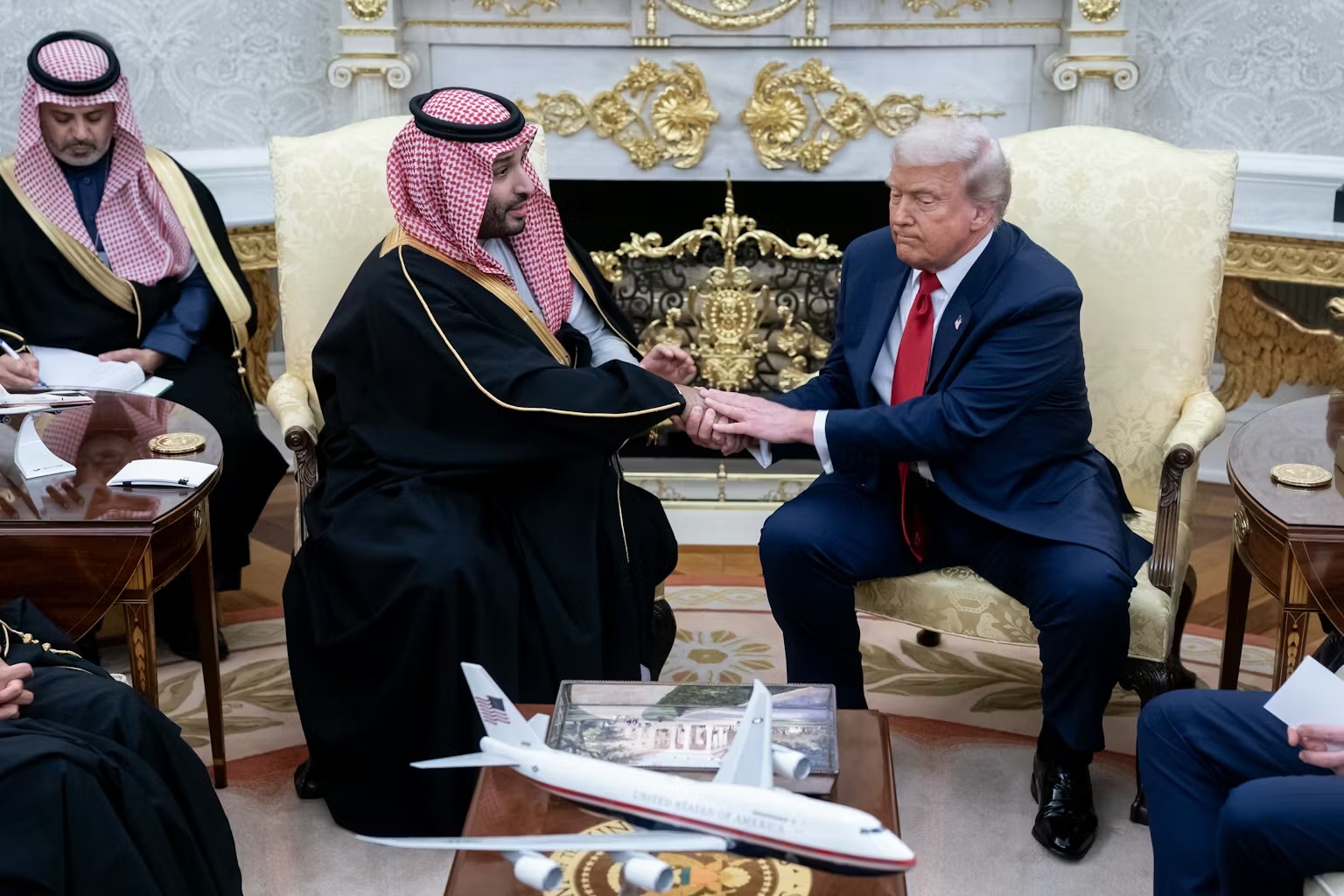
Saudi Crown Prince Mohammed bin Salman has expressed interest in bringing Saudi Arabia into the Abraham Accords, a series of agreements aimed at normalizing Israel’s relations with Middle Eastern nations and beyond. This development would mark a significant diplomatic milestone, echoing the initial accords brokered by the Trump administration in 2020, which saw Israel establish formal ties with the UAE, Bahrain, Morocco, and Sudan. However, bin Salman’s approach comes with a critical condition: a clear commitment to a two-state solution for Israel and Palestine, with East Jerusalem as the Palestinian capital. This stance underscores the complexities of Middle Eastern diplomacy and the shifting geopolitical landscape. The Abraham Accords, hailed as a breakthrough in 2020, have seen limited progress since, with Kazakhstan’s recent announcement to join the accords falling short of expectations. The Saudi leader’s cautious approach reflects broader regional dynamics, including Saudi Arabia’s evolving relationship with Iran and the aftermath of the October 7, 2023, Hamas attacks on Israel. Bin Salman has publicly linked Saudi normalization with Israel to the establishment of a Palestinian state, a position that has gained urgency amid rising regional tensions. Meanwhile, Israel’s aggressive military actions across the Middle East have further complicated the prospects for peace. The focus has shifted toward intra-regional collaboration, as evidenced by Iran’s discussions with Gulf states on uranium enrichment and the widespread condemnation of Israeli strikes. Despite these challenges, bin Salman remains committed to normalization, albeit with clear preconditions, signaling a nuanced approach to reshaping Middle Eastern diplomacy.