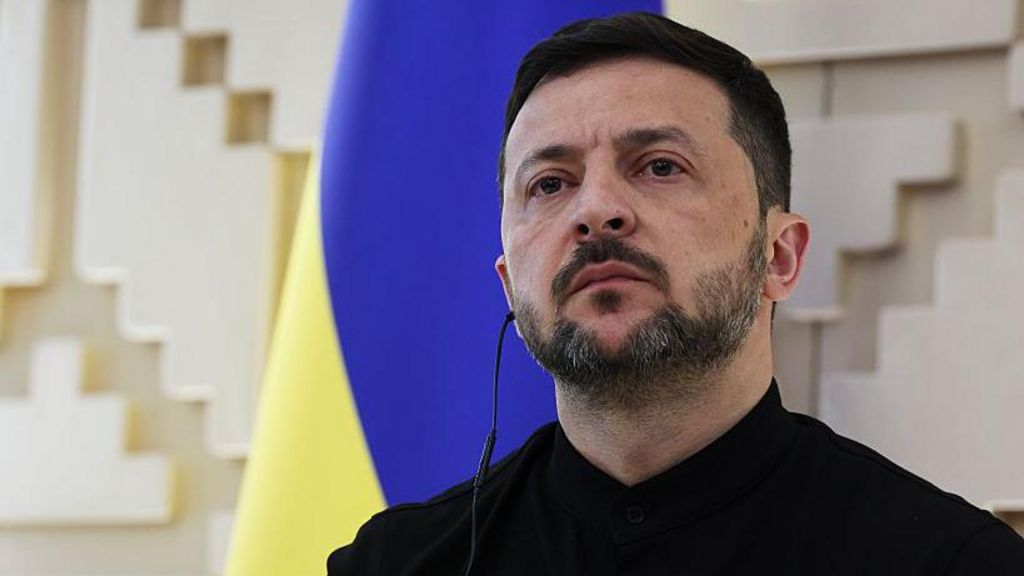
Recent negotiations in Geneva between the United States and Ukraine, aimed at ending the ongoing conflict with Russia, have concluded with both sides reporting “progress” and a commitment to continue discussions. However, significant challenges remain, particularly regarding territorial disputes and security guarantees for Ukraine. Ukrainian President Volodymyr Zelensky acknowledged the “important steps” taken but emphasized that the primary obstacle to peace talks is Russian President Vladimir Putin’s demand for legal recognition of Russian-occupied territories in eastern Ukraine. Zelensky warned that such recognition would undermine the principles of territorial integrity and sovereignty, potentially rewarding Russia for its aggression. Meanwhile, former US President Donald Trump expressed cautious optimism on social media, stating, “Something good just may be happening,” while advising skepticism until concrete results are seen. The Geneva talks did not include Russian representatives, and the Kremlin stated it had not received any information on the outcomes. Kremlin spokesman Dmitri Peskov noted that Moscow was aware of “adjustments” to a peace plan previously welcomed by Putin. The 28-point peace plan, drafted by US and Russian officials and presented to Ukraine last week, appeared to favor Moscow’s demands, causing concern in Kyiv and among European allies. Trump’s comments suggesting Ukraine had a deadline to accept the deal or face reduced US support added urgency to the discussions. US Secretary of State Marco Rubio described the talks as making “tremendous” progress, expressing confidence in reaching a resolution. However, European leaders, including Polish Prime Minister Donald Tusk and German Chancellor Friedrich Merz, remained cautious, with Merz describing the process as “lengthy” and unlikely to yield immediate breakthroughs. European nations, caught off guard by the US draft peace plan, proposed a counter-proposal excluding recognition of Russian-held territories, increasing Ukraine’s allowed army size, and leaving open the possibility of Ukraine joining NATO. Rubio claimed unawareness of this plan, while Kremlin foreign policy aide Yuri Ushakov dismissed it as “completely unconstructive.” Since Russia’s full-scale invasion of Ukraine in 2022, Moscow has demanded Ukrainian withdrawal from the Donbas region, a condition Kyiv and its European partners reject due to concerns over territorial integrity and sovereignty. Despite recent diplomatic efforts, the next steps remain unclear. Zelensky is expected to speak with Trump soon, after which a revised peace plan may be presented to Moscow. British Prime Minister Sir Keir Starmer emphasized the need for further work to achieve a “just and lasting peace” in Ukraine, with a virtual “coalition of the willing” meeting scheduled to discuss developments.