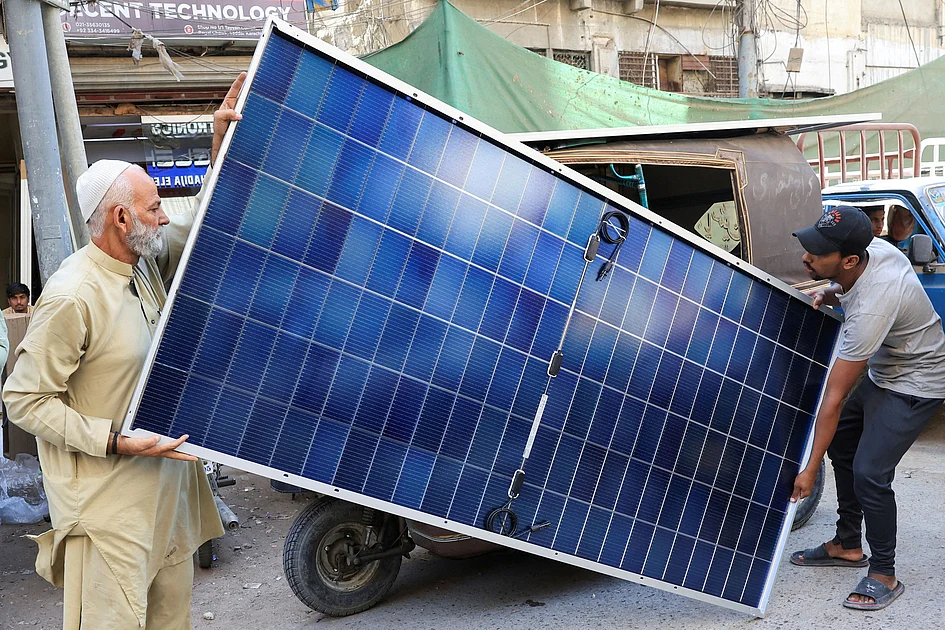
Pakistan is poised to witness a groundbreaking shift in its energy landscape as rooftop solar generation is expected to surpass grid-linked power demand during daytime hours in several major industrial regions by next year. This development, highlighted by Aisha Moriani, Secretary of Pakistan’s Climate Change Ministry, underscores the nation’s rapid adoption of solar energy, driven by power cuts, tariff hikes, and a growing emphasis on sustainability. The surge in solar panel installations has not only reduced emissions and power bills but also disrupted the financial stability of debt-laden electric utilities due to declining grid demand. Regions such as Lahore, Faisalabad, and Sialkot, known for high solar penetration, are likely to experience ‘negative demand’ during peak solar output periods, particularly on bright summer afternoons and industrial holidays. Pakistan, now the world’s third-largest solar panel importer, is also renegotiating LNG contracts with Qatar and Italy’s Eni to align its energy strategy with fiscal constraints and seasonal demand patterns. The government is introducing new tariffs and fee structures to ensure large solar users contribute equitably to grid maintenance. While grid-linked power demand is projected to grow modestly this year, the increasing reliance on solar energy could significantly impact future consumption trends. Pakistan’s challenge lies in evolving its grid infrastructure, regulations, and market design to keep pace with the rapid growth of renewable energy.