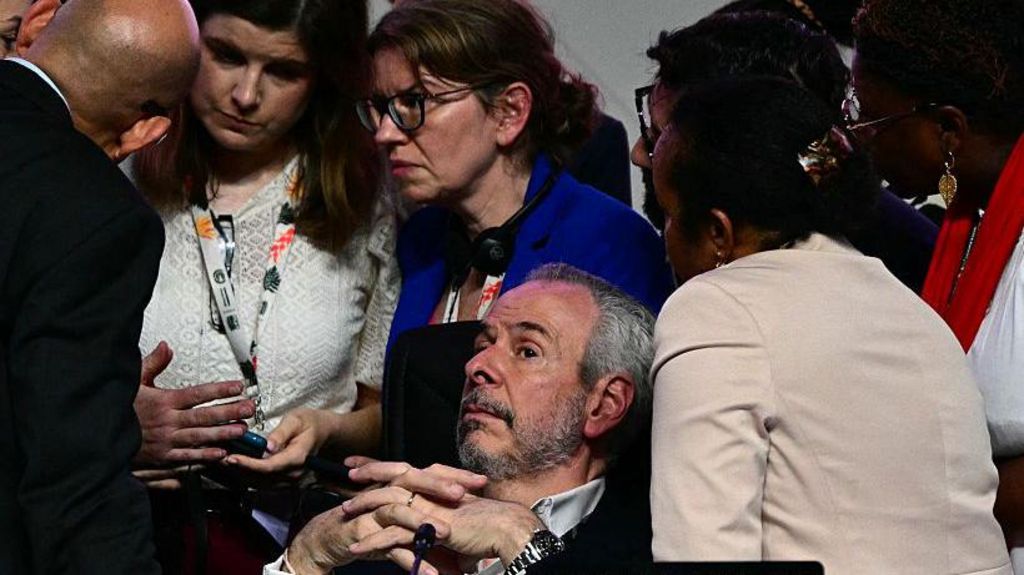
The 30th Conference of the Parties (COP30) in Belém, Brazil, concluded on Saturday, marking one of the most contentious climate summits in three decades. The absence of any mention of fossil fuels in the final agreement left many nations furious, while others, particularly those reliant on fossil fuel production, felt vindicated. The summit underscored the deep divisions in global consensus on addressing climate change, with five key takeaways emerging from what some have termed the ‘COP of truth.’
Despite the climate ‘ship’ remaining afloat, many participants expressed dissatisfaction with the outcomes. Brazilian President Luiz Inácio Lula da Silva’s vision for the summit clashed with COP President André Corrêa do Lago’s focus on consensus. Lula advocated for a roadmap away from fossil fuels, a proposal supported by the UK and other nations. However, do Lago resisted, fearing it would fracture the fragile agreement. Initial references to such a roadmap in the draft text were removed, leaving no trace in the final document.
Efforts by Colombia, the European Union (EU), and around 80 countries to push for stronger language on reducing coal, oil, and gas usage faltered. Do Lago’s attempt to foster consensus through a Brazilian-style group discussion, or ‘mutirão,’ backfired, as Arab nations refused to engage with those advocating for a fossil fuel phase-out. The Saudi delegate’s blunt remark, ‘We make energy policy in our capital, not in yours,’ epitomized the impasse.
Brazil proposed a face-saving solution: external roadmaps on deforestation and fossil fuels, which were applauded but lacked legal certainty. The EU, despite its grandstanding on fossil fuels, found itself cornered by the inclusion of a vague but binding commitment to triple climate adaptation funding. This left the EU with little leverage to negotiate with developing nations.
The summit also raised questions about the relevance of the COP process itself. Critics questioned the efficacy of flying thousands of delegates worldwide to argue over semantics in air-conditioned tents. Harjeet Singh of the Fossil Fuel Treaty Initiative suggested that while the COP process shouldn’t be discarded, it needs significant retrofitting to remain relevant.
Global trade emerged as a key issue, with the EU’s proposed border tax on high-carbon products sparking controversy. China, India, and Saudi Arabia opposed the measure, arguing it was unilateral and unfair. The EU defended it as a climate action tool, but the issue was deferred to future talks.
China and the US, the world’s top carbon emitters, influenced the summit in contrasting ways. While the US stayed absent, China focused on business deals, particularly in the solar energy sector, further solidifying its dominance in renewable energy. Experts predict China’s economic strategies will outpace US efforts in fossil fuel sales.
COP30 highlighted the urgent need for a new approach to global climate negotiations, as the current system struggles to address the pressing realities of climate change and energy transition.