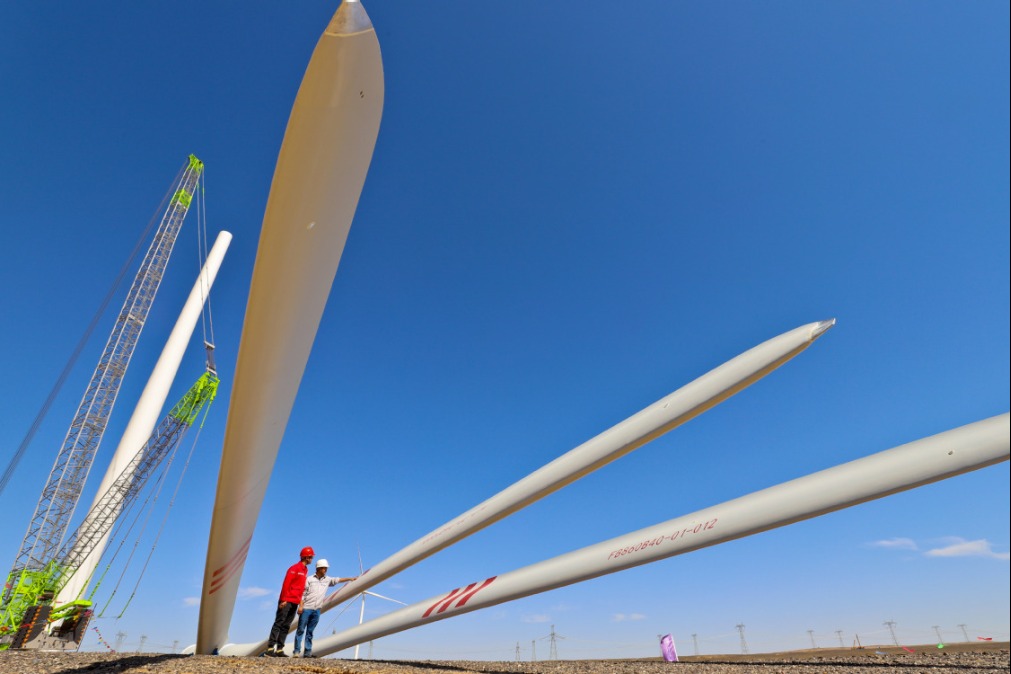
As China advances towards its 2030 carbon-peaking goal, the next five years are pivotal in shaping its energy transition. With coal and oil remaining central to its energy system, the country is focusing on reducing their consumption while ensuring energy security. This strategy is embedded in the Communist Party of China Central Committee’s recommendations for the 15th Five-Year Plan (2026-30), unveiled last month. The world’s largest energy consumer aims to balance its climate ambitions with the need for a stable energy supply. Since 2020, China has accelerated its shift toward clean energy, aligning with its pledge to achieve carbon neutrality by 2060. The share of non-fossil fuels in total energy consumption has steadily increased, supported by the rapid expansion of renewable energy systems. Over the next five years, China plans to build a new-type energy system, where non-fossil sources will replace fossil fuels in a secure and orderly manner. Coal consumption will be gradually reduced, with remaining usage made cleaner and more efficient. Simultaneously, China will fast-track the development of major clean energy bases, including wind, solar, hydropower, offshore wind farms, and coastal nuclear projects. New energy sources like biogas, sustainable aviation fuel, and geothermal energy will be advanced based on local conditions. As coal and oil consumption peak, related industries may face challenges. China plans to optimize industrial layouts, expanding advanced capacity while phasing out inefficient coal mining and oil refining. Official projections suggest that by 2030, fossil fuels will account for less than 75 percent of total energy consumption. Coal consumption is expected to peak around 2027, with demand from steel and building materials declining. Oil consumption will likely peak around 2026, as refined oil product usage has already peaked, and petrochemical feedstock demand will grow moderately. Achieving carbon peaking is just the beginning. In September 2025, China unveiled its new Nationally Determined Contributions, setting ambitious goals for 2035, including reducing net greenhouse gas emissions by 7-10 percent from peak levels, increasing the share of non-fossil fuels to over 30 percent, and expanding wind and solar capacity to over six times 2020 levels. Experts believe these commitments mark China’s entry into a more comprehensive phase of low-carbon development, strengthening its role in global climate governance.