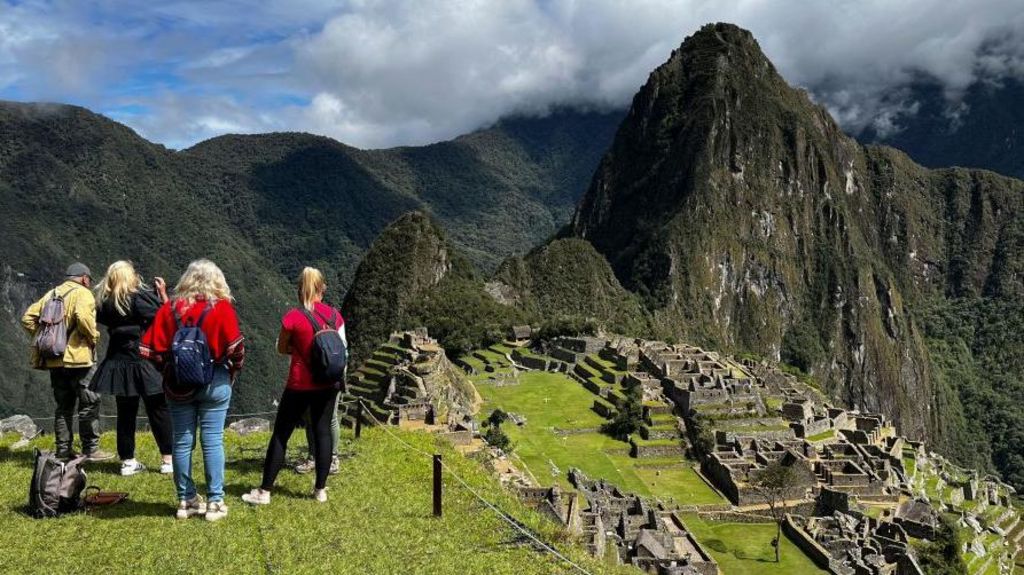
Machu Picchu, Peru’s iconic 15th-century Inca citadel and a UNESCO World Heritage Site, attracts over 1.6 million tourists annually. However, recent disputes over bus services have disrupted access to the mountain-top site, leaving 1,400 tourists stranded and requiring evacuation. The conflict centers around Consettur, the bus company that has operated for 30 years, losing its license to a rival firm, San Antonio de Torontoy, following a contentious bidding process. Local protests erupted in September, with demonstrators blocking the railway to Aguas Calientes, the gateway town to Machu Picchu, forcing authorities to clear the tracks and arrange special train services. Critics argue that Consettur’s monopoly on the lucrative bus service, charging $24 for foreigners and $15 for locals, has fueled tensions. Despite its expired license, Consettur continues operations due to legal challenges, while San Antonio de Torontoy remains unable to start. Cristian Alberto Caballero Chacón, Consettur’s operations head, denies monopoly claims, stating the company comprises 12 partners, including the local district council, which owns 38%. Meanwhile, tourists face high costs, with train tickets to Aguas Calientes ranging from $140 to $2,000, and Machu Picchu entry fees at $57. Aguas Calientes Mayor Elvis La Torre criticizes the revenue distribution, with only 10% staying locally. Local vendors like Dina Huillca highlight the lack of basic services, while Carlos González, president of Cusco’s tourism chamber, advocates for state-controlled transport and enhanced visitor experiences. Despite challenges, Caballero welcomes competition, stating Consettur would cooperate with San Antonio de Torontoy if approved.