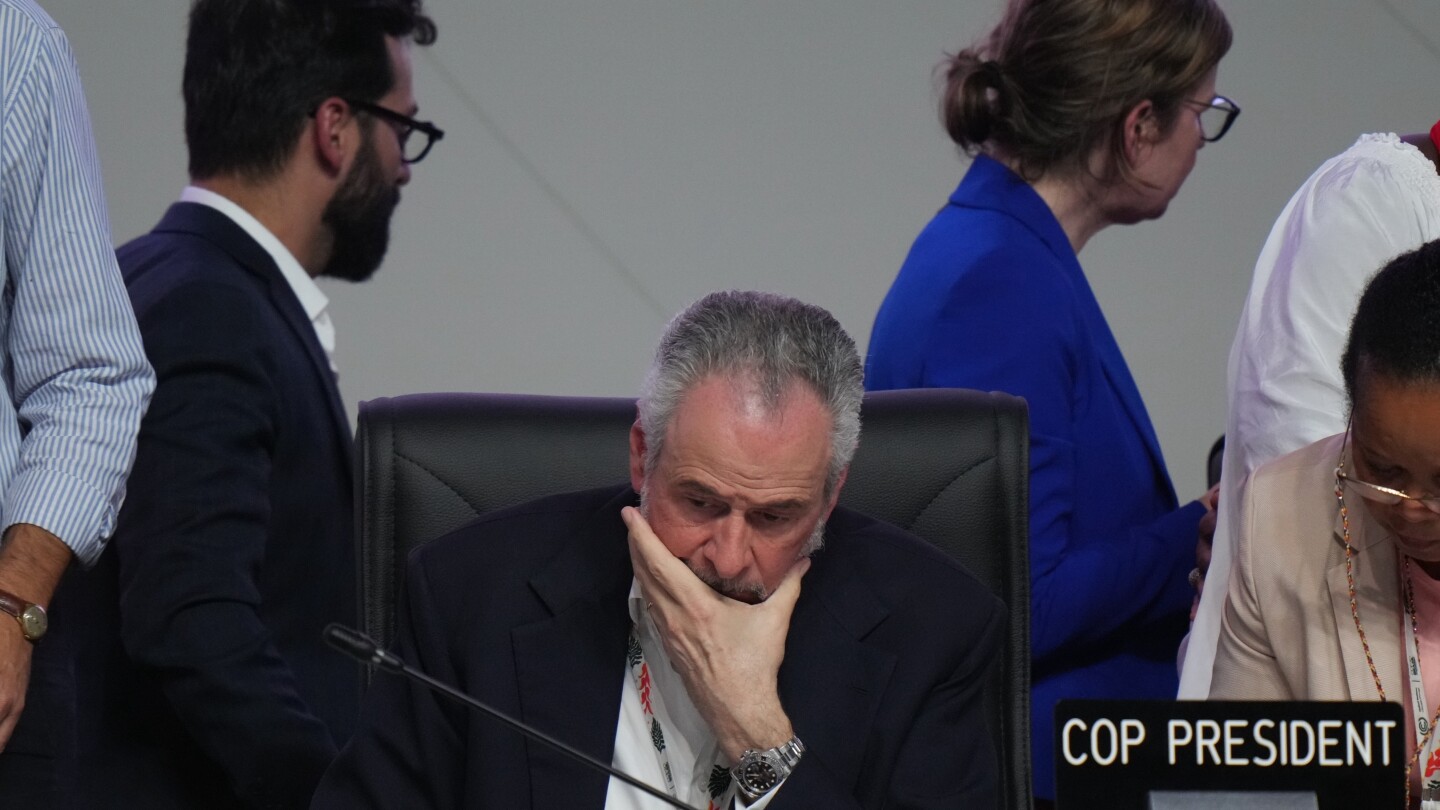
The 2025 United Nations Climate Change Conference (COP30), held in Belem, Brazil, concluded with a watered-down resolution that failed to meet the expectations of many delegates and environmental advocates. Hosted in the Amazon rainforest, a critical climate regulator and home to Indigenous communities, the summit initially raised hopes under the leadership of Brazilian President Luiz Inácio Lula da Silva. Lula’s impassioned speeches inspired over 80 nations to call for a detailed roadmap to drastically reduce the use of fossil fuels—oil, gas, and coal—the primary drivers of climate change. However, the final decision, announced on November 22, omitted any mention of fossil fuels or a timeline for their reduction, sparking widespread criticism. While the resolution included increased financial support for developing nations to adapt to climate change, it fell short of the ambitious goals many had anticipated. Critics, including Panama’s negotiator Juan Carlos Monterrey Gomez, labeled the outcome as “complicity” rather than neutrality, accusing the summit of sidelining scientific evidence to appease polluters. Environmental activists and delegates expressed frustration, with many already looking ahead to COP31 in Turkey. The conference, once dubbed a “COP of truth,” instead eroded confidence in multilateral climate negotiations, leaving many questioning the process’s ability to address the escalating climate crisis.
Many hoped UN climate talks in Brazil would be historic. They may be remembered as a flop