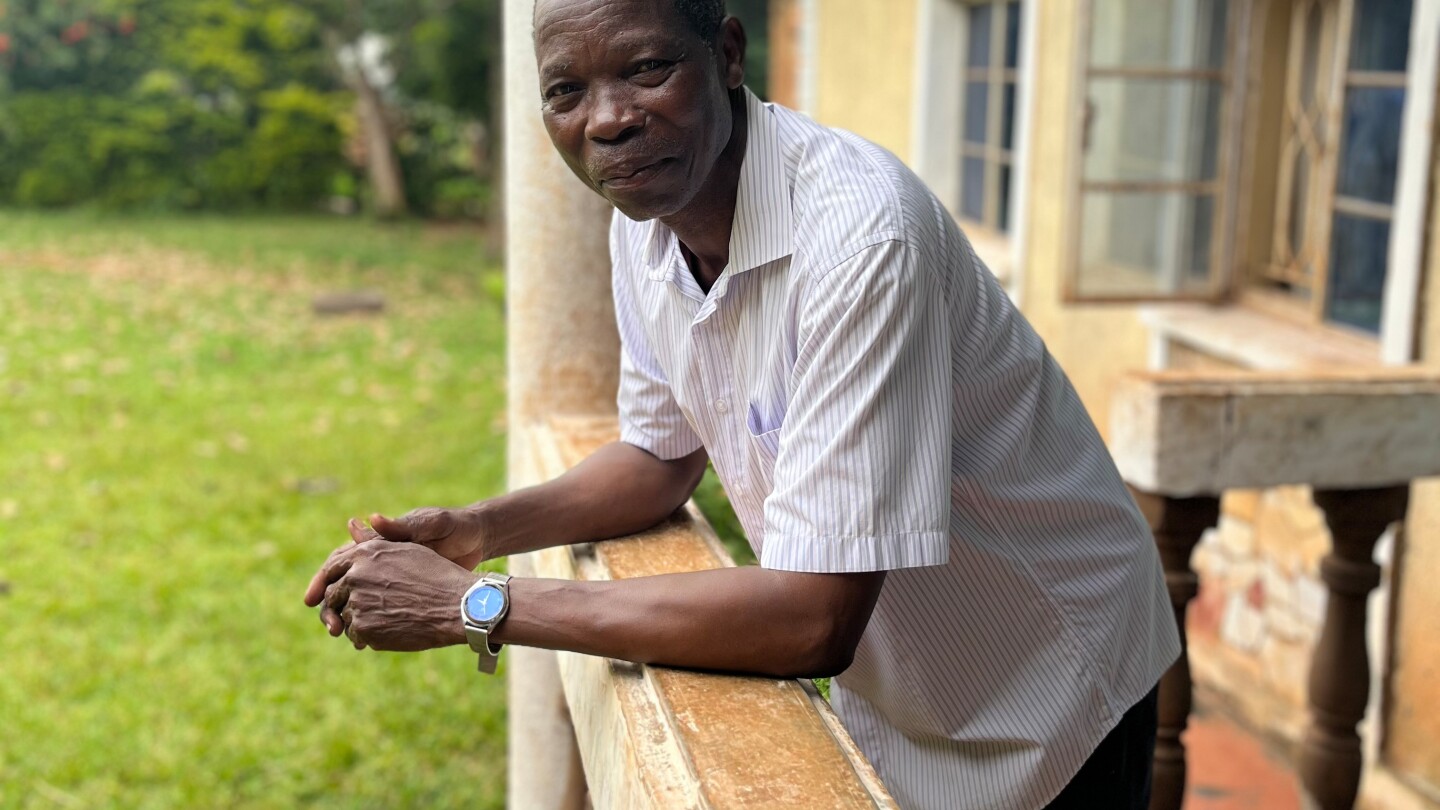
In Uganda, the increasing availability of DNA testing has sparked a surge in paternity disputes, challenging traditional norms and straining family relationships. Moses Kutoi, a clan leader and mayor of Nabumali, finds himself at the forefront of mediating these sensitive conflicts. Often, men question why their children do not resemble them, leading to marital discord and, in some cases, violence. Kutoi, who himself does not resemble his father, uses his personal experience to counsel families, urging them to focus on unity rather than biological ties. The issue has become so pervasive that religious and traditional leaders are calling for tolerance and a return to African teachings that emphasize communal responsibility over individual grievances. The Anglican Archbishop of Uganda, Stephen Kaziimba, has even invoked the story of Jesus’ virgin birth to discourage DNA testing among the faithful. Meanwhile, the Ministry of Internal Affairs reports a sharp rise in men seeking voluntary DNA tests, with over 98% of results revealing they are not the biological fathers. This has led to heartbreak and legal battles, particularly in cases involving inheritance and divorce. Despite the challenges, faith leaders like Pastor Andrew Mutengu are organizing counseling sessions to help families navigate these disputes. However, the affordability of DNA testing remains a barrier for many, with costs exceeding $200 in some areas. As Uganda grapples with this modern dilemma, the tension between tradition and technology continues to shape the nation’s social fabric.
More and more Ugandan men seek DNA paternity tests, often with heartbreaking results