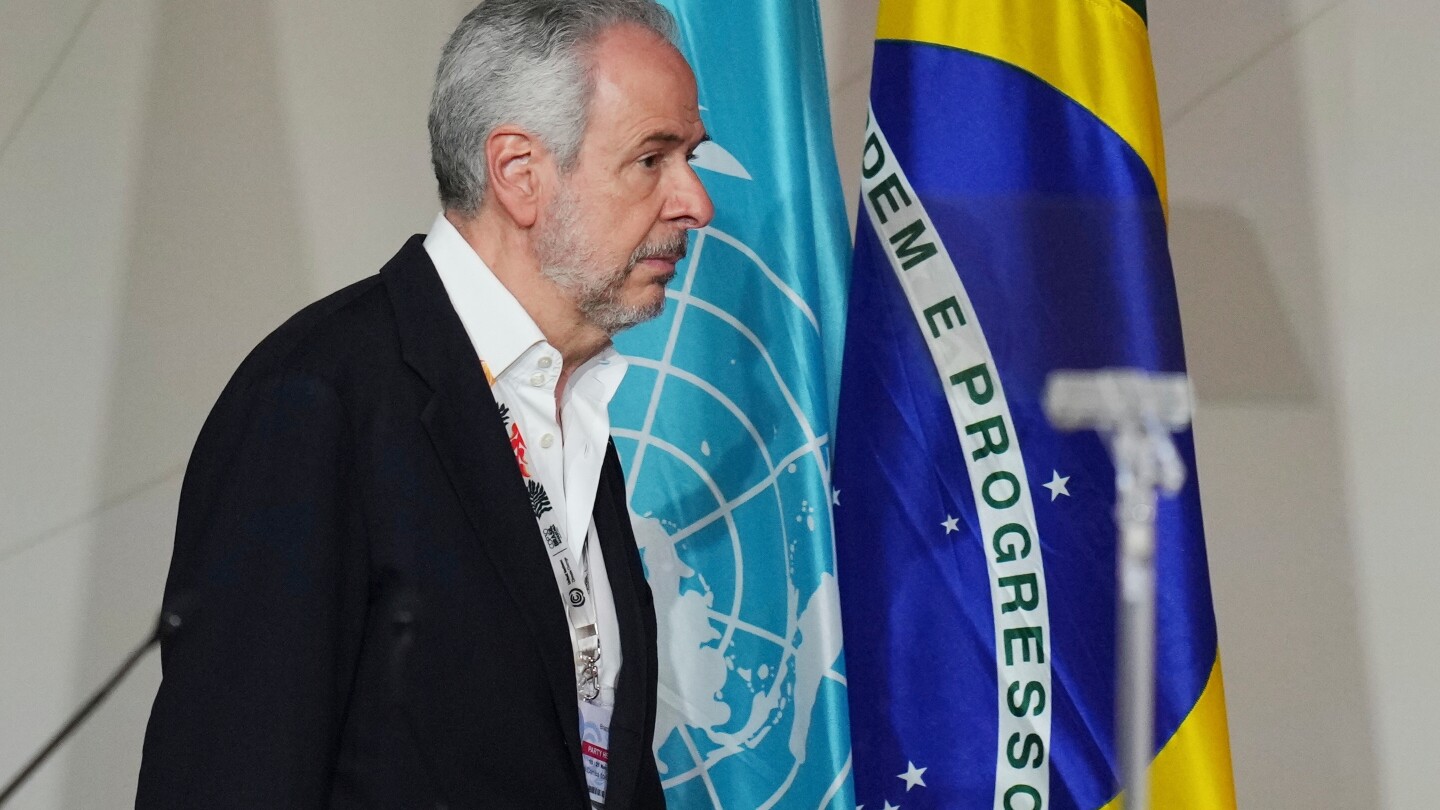
The United Nations climate talks, COP30, concluded in Belem, Brazil, after two weeks of intense negotiations. The conference ended with a compromise that has drawn both criticism and cautious optimism. While the agreement pledges increased financial support for countries vulnerable to climate change, it notably lacks a clear roadmap for phasing out fossil fuels, a critical issue in combating global warming. This omission has sparked frustration among activists, scientists, and Indigenous groups, who argue that the deal falls short of the urgent action needed to address the climate crisis. Despite these shortcomings, the conference achieved some progress, including smaller agreements on energy grids and biofuels. The final document also marked a historic inclusion of Indigenous rights, a significant win for marginalized communities. However, the overall sentiment remains mixed, with many participants expressing disappointment over the lack of bold, transformative commitments. The real test of COP30’s success will be whether its promises translate into tangible actions that protect lives and livelihoods in the face of escalating climate threats.