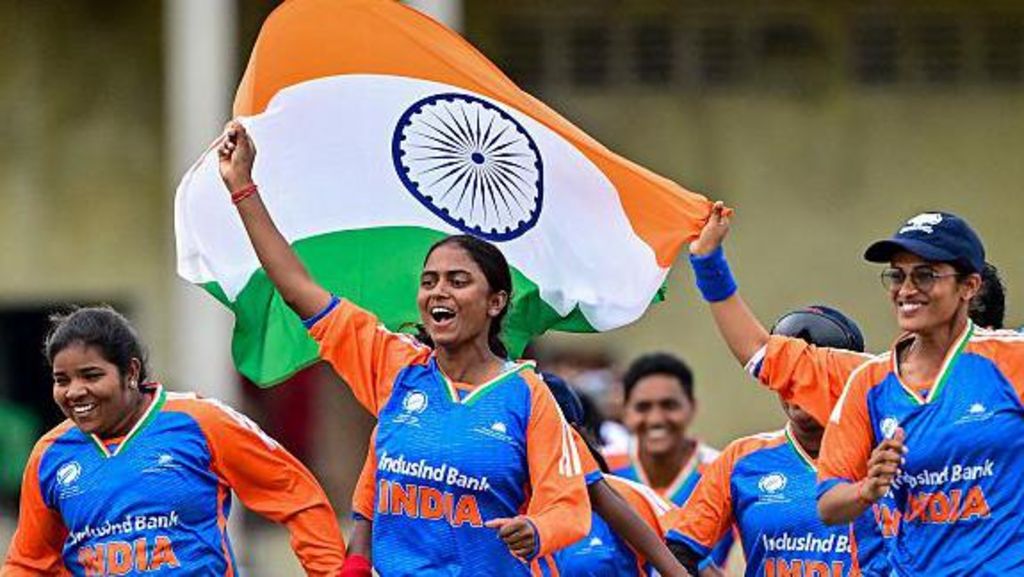
The inaugural Blind Women’s T20 Cricket World Cup has become a platform for extraordinary stories of resilience and determination, particularly for the Indian team. Comprising players from diverse rural backgrounds, these women have overcome significant societal and personal challenges to compete on the global stage. The tournament, which began on November 11 in Delhi and moved to Colombo for the knockout stages, features six teams: India, Nepal, Pakistan, Sri Lanka, Australia, and the USA. The Indian squad, representing nine states, has emerged as a dominant force, winning all five of their matches and securing a spot in the semi-finals. Blind cricket, played with a plastic ball containing metal bearings that produce sound, requires players to rely on auditory cues. Players are classified into B1, B2, and B3 categories based on their level of visual impairment, with B1 players being fully blind. The Indian team’s journey is led by captain Deepika TC, who lost her vision in an accident as a child. Her leadership has been pivotal, inspiring her teammates and drawing support from cricketing legends like Jemimah Rodrigues and Shubman Gill. The team’s success is a testament to the efforts of the Cricket Association for the Blind in India (CABI), which has been instrumental in promoting the sport among visually impaired women. The tournament has not only provided a stage for these athletes but also highlighted the need for greater inclusivity in sports. As the semi-finals and final approach, the Indian team aims to make history by securing the championship, further elevating the profile of blind cricket globally.