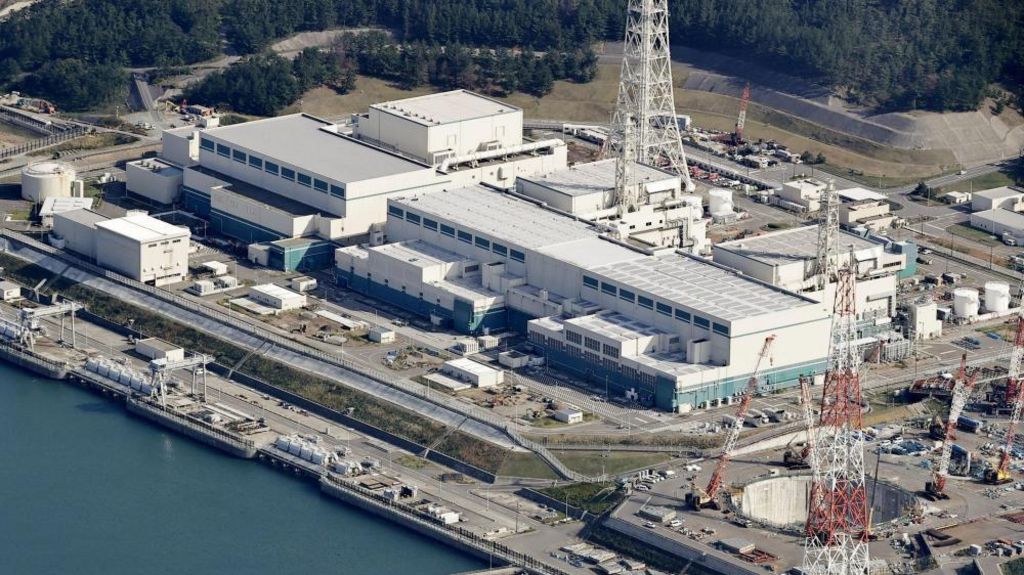
Japan is on the verge of restarting one of the reactors at the Kashiwazaki-Kariwa nuclear power plant, operated by Tokyo Electric Power Company (Tepco), for the first time since the 2011 Fukushima disaster. The Niigata prefecture, where the plant is located, has signaled its consent for the restart, pending final approval from Japan’s nuclear regulator. This marks a significant step in Tepco’s efforts to rebuild its business after the catastrophic meltdown at Fukushima, which led to widespread radiation leaks, forced evacuations, and substantial financial liabilities. The restart plan focuses on the plant’s No. 6 and No. 7 reactors. However, public opinion in Niigata remains divided, with 50% supporting the restart and 47% opposing it, while nearly 70% express concerns about Tepco’s management of the facility. Since the Fukushima disaster, 14 nuclear reactors in Japan have resumed operations, reflecting the country’s broader strategy to increase reliance on atomic energy to achieve its net-zero carbon emissions goal and reduce dependence on fossil fuels. The final decision will be discussed at the prefectural government assembly in December.