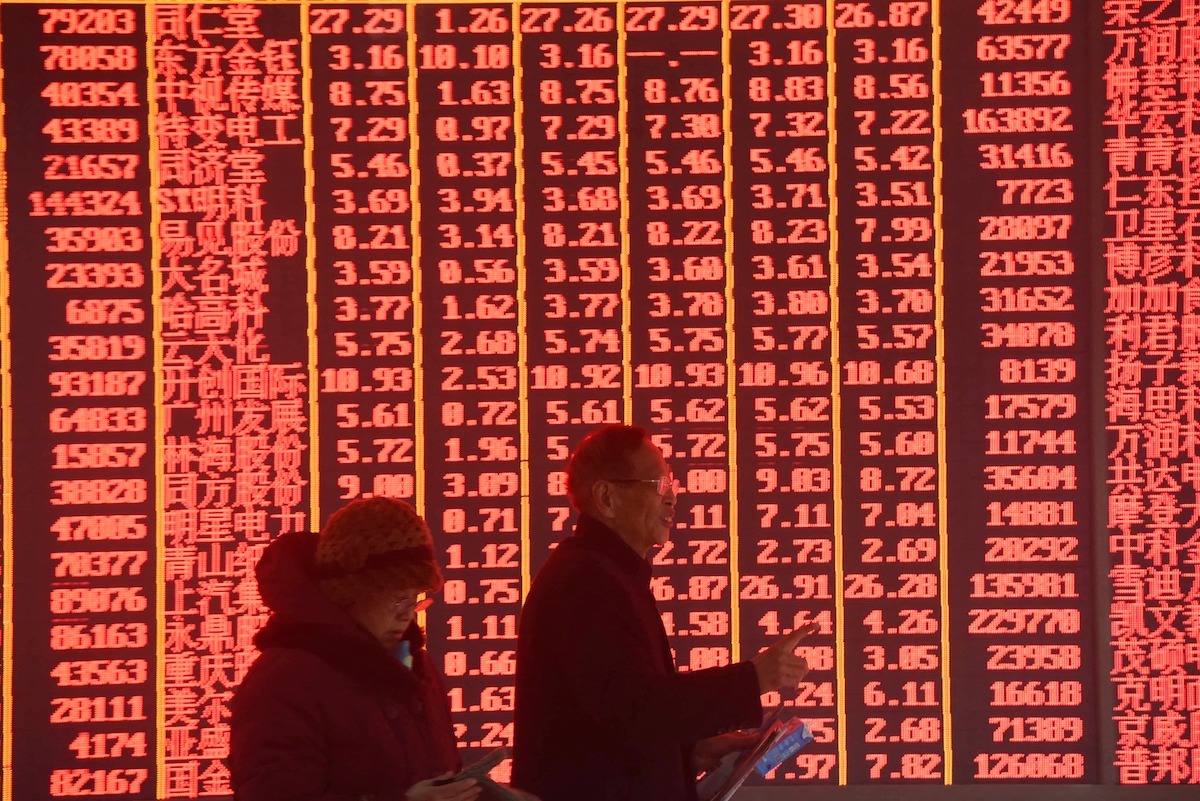
As global markets ride the wave of irrational AI exuberance, China’s soaring stock valuations appear increasingly disconnected from economic fundamentals. The world’s second-largest economy is slowing, with deflationary pressures persisting. Despite this, Chinese equities are rallying to decade highs, creating a critical challenge for President Xi Jinping to bridge the gap between investor optimism and the $19 trillion economy’s financial realities. Xi’s administration must act decisively to implement the 15th Five-Year Plan, unveiled in October, which emphasizes technological self-reliance, efficient manufacturing, and a green transformation. Key priorities include boosting domestic consumption, leveling industry playing fields, and advancing the ‘Made in China 2025’ initiative, which targets dominance in AI, semiconductors, electric vehicles, and other future technologies. However, the plan’s execution remains a significant hurdle. Since 2013, Xi has championed market-driven reforms, yet the gap between rhetoric and action persists. As deflation deepens and US tariffs impact global demand, Beijing faces the temptation to prioritize short-term stimulus over long-term structural reforms. Premier Li Qiang’s ability to balance these competing demands in 2026 will be crucial. Meanwhile, global investors are increasingly drawn to Chinese tech stocks, driven by successes like BYD, DeepSeek, and Alibaba. Despite concerns over deflation and property sector woes, China’s stock market rally shows resilience, with analysts noting that valuations remain below their 2015-2021 peak. However, economists warn that prolonged deflation could erode profits, weaken consumer confidence, and entrench weak domestic demand. The success of Xi’s economic strategy hinges on effectively implementing the 15th Five-Year Plan, fostering domestic consumption, and addressing structural vulnerabilities. As the global AI frenzy continues, China’s ability to navigate these challenges will determine its economic trajectory in the years ahead.