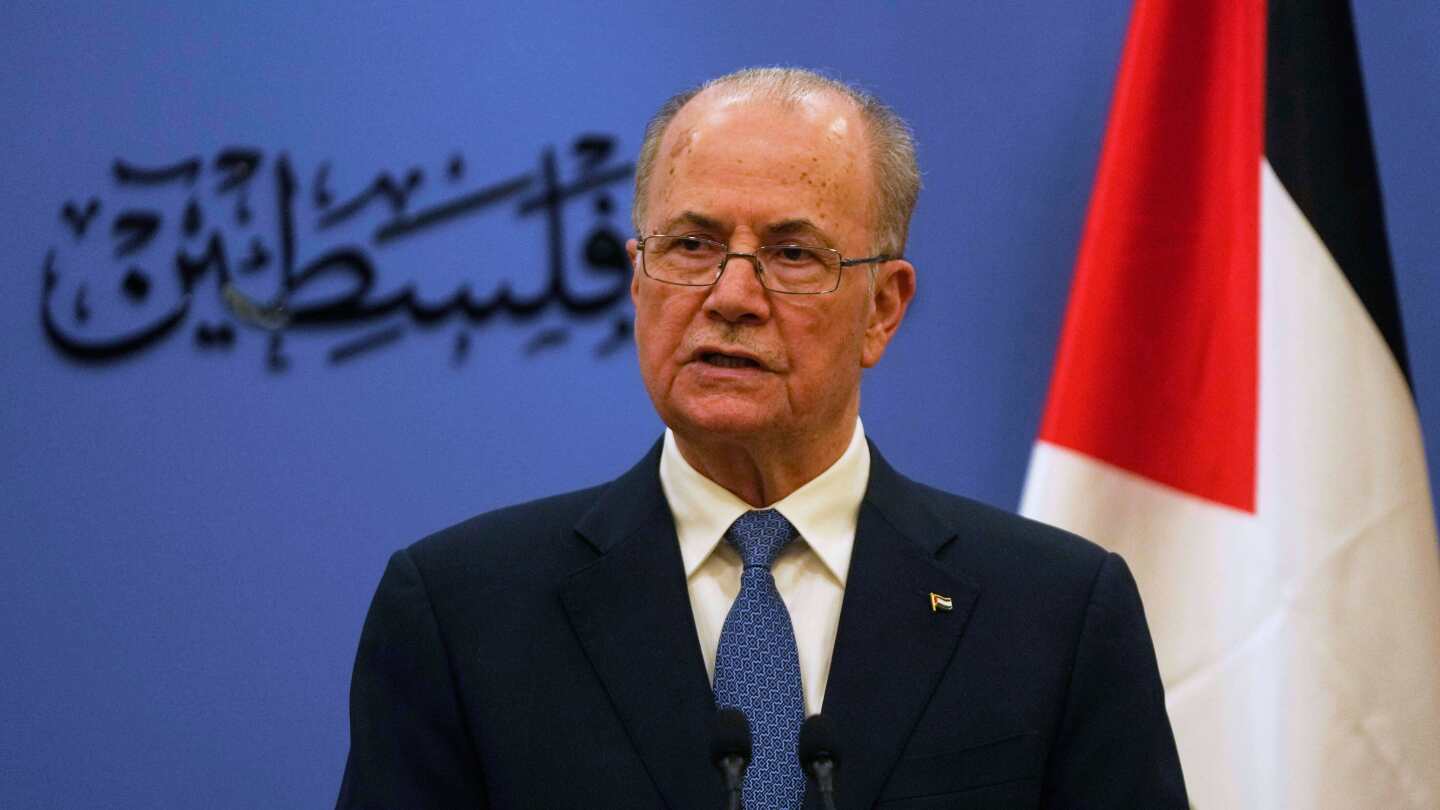
In a significant diplomatic gathering, over 60 delegations convened in Brussels on Thursday to address the pressing issues of reconstruction, governance, and security in the war-torn Gaza Strip, alongside the reform of the Palestinian Authority (PA). The meeting, co-chaired by France and Saudi Arabia under the auspices of the Palestine Donors Group, follows the recent approval of a U.S.-backed peace plan by the United Nations Security Council. The PA, which currently governs semi-autonomous areas in the Israeli-occupied West Bank, is seeking to expand its influence into postwar Gaza. However, its role remains contentious, with Israel outright rejecting any PA involvement in Gaza and the U.S. insisting on substantial reforms before financial support is extended. The European Union, the PA’s largest financial backer, is advocating for its effective governance of Gaza post-reform. Meanwhile, the EU is increasingly asserting its role in shaping Gaza’s future, including plans to train 3,000 Palestinian policemen, with France contributing 100 officers to this initiative. The U.S. peace plan envisions a gradual handover of Gaza’s territory to a mix of these policemen and an International Stabilization Force. The EU is also pushing for the formation of a technocratic, apolitical committee to manage Gaza’s civil services, largely drawn from the PA. However, these proposals face skepticism within Palestinian society, with Hamas denouncing the U.N. resolution as serving Israeli interests. The meeting in Brussels did not seek financial pledges for Gaza’s reconstruction, with a separate event in Egypt planned for this purpose. The reforms demanded by the U.S. and EU include the abolition of the PA’s controversial ‘martyrs’ fund’ and the revision of its educational materials. Despite these efforts, the PA, led by the increasingly marginalized 90-year-old President Mahmoud Abbas, struggles to gain legitimacy and influence in postwar Gaza.