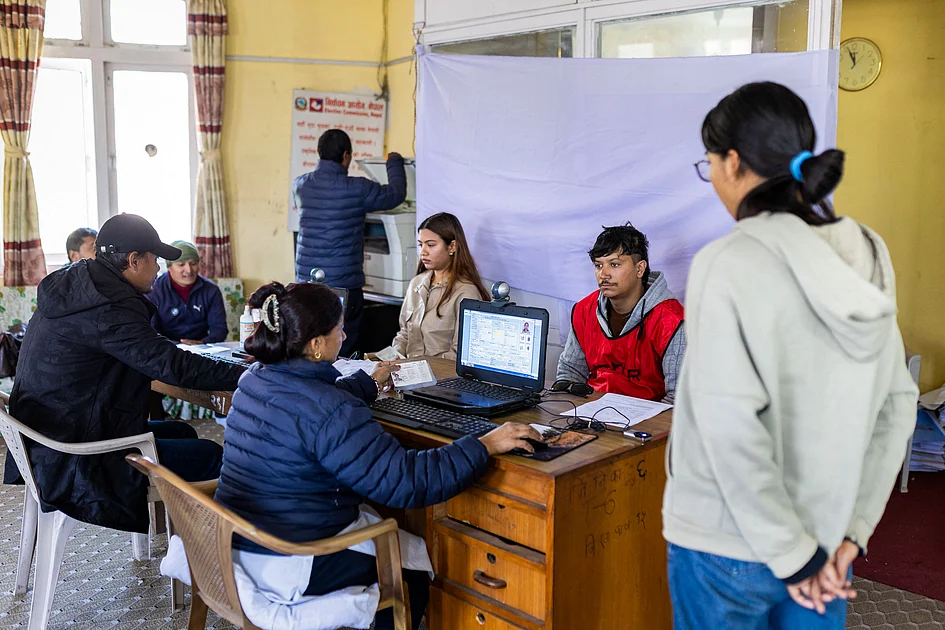
In the wake of a transformative uprising, Nepal is witnessing a remarkable surge in political engagement, particularly among its youth. This newfound enthusiasm is not limited to voting but extends to active participation as candidates in the upcoming March 2026 elections. The movement, initially sparked by a government-imposed social media ban, has evolved into a broader demand for systemic change, fueled by years of economic stagnation and entrenched corruption. Young Nepalis, who played a pivotal role in the protests that ousted the previous government, are now stepping forward to ensure their voices are heard in the political arena. Kishori Karki, a 25-year-old law graduate, epitomizes this shift. A first-time voter, Karki has also applied to register a new political party, driven by the desire to bring fresh perspectives to Nepal’s political landscape. Her actions during the protests, including transporting an injured demonstrator to hospital, have made her a symbol of the movement’s spirit. The September 8-9 demonstrations, which saw the deaths of at least 76 people and the destruction of key government buildings, were a turning point. The subsequent appointment of former chief justice Sushila Karki as interim leader marked a significant step towards political reform. The youth-led movement has also embraced technology, with thousands of activists using the group-chat app Discord to coordinate their efforts. The introduction of an online voter registration system has further facilitated participation, with nearly 675,000 new voters already registered. This surge in political interest is not confined to the youth; older citizens like Sunita Tamang, 40, who registered to vote for the first time, are also motivated by the promise of change. Despite the challenges ahead, including a volatile political landscape and deep public distrust in established parties, the momentum for reform is undeniable. As Uparjun Chamling, a 25-year-old activist, aptly put it, ‘In the spirit of the Gen Z movement, we need new faces. But, more importantly, we need new thinking.’