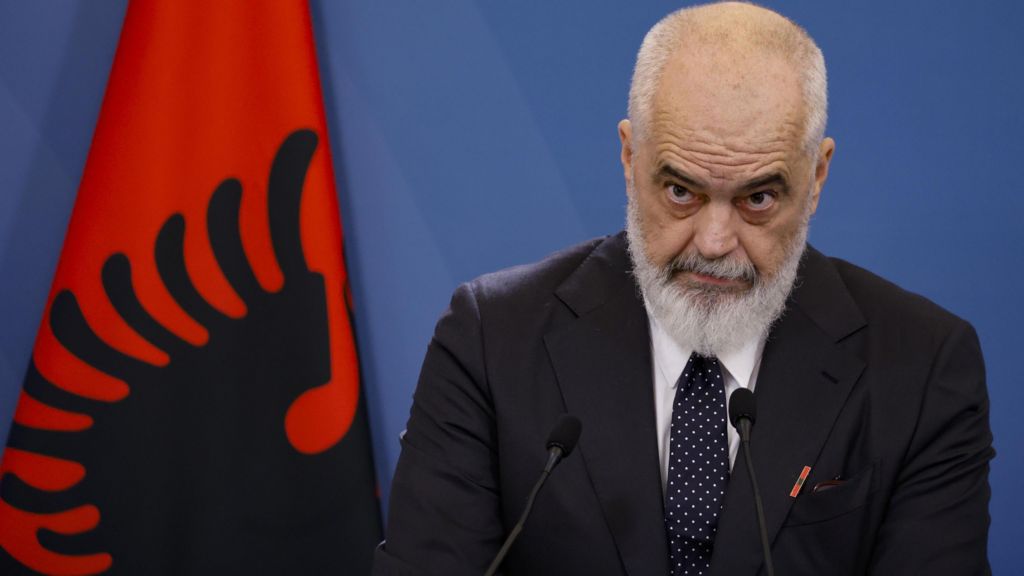
Albanian Prime Minister Edi Rama has strongly criticized UK Home Secretary Shabana Mahmood for what he termed ‘ethnic stereotyping’ in her recent speech addressing abuses in the UK’s asylum system. During her announcement of major reforms on Monday, Mahmood highlighted that around 700 Albanian families were living in taxpayer-funded accommodations despite having failed their asylum claims. Rama dismissed this figure as a ‘statistical drop in the ocean of post-Brexit Britain’s challenges’ and emphasized the success of the UK-Albania returns agreement, which has led to the deportation of over 13,000 individuals since 2022. He described the partnership as one of ‘Europe’s most successful on illegal migration.’
Mahmood’s proposed reforms aim to overhaul the UK’s ‘out of control and unfair’ asylum system. Key changes include making refugee status temporary, extending the wait for permanent settlement from five to 20 years, and allowing the removal of families with children who have no right to remain. The reforms also introduce new legal routes to the UK with an annual cap on numbers. In her speech, Mahmood stressed the need to remove individuals with failed asylum claims, regardless of their background.
Rama took to social media to express his dismay, questioning how a Labour Home Secretary could echo far-right populist rhetoric by singling out Albanian families. He argued that Albanians are net contributors to the British economy and that the number receiving benefits is relatively low compared to other communities. Rama condemned the focus on Albanians as ‘a troubling and indecent exercise in demagoguery’ and called for policies free from ethnic stereotyping.
This is not the first time Rama has clashed with British politicians over their portrayal of Albanian nationals. Earlier this year, he rejected UK Labour leader Sir Keir Starmer’s proposal to establish ‘return hubs’ in Albania for failed asylum seekers from other countries. Rama has also challenged Reform UK leader Nigel Farage to debate his claims about Albanian criminality in the UK, dismissing such assertions as ‘bonkers’ and rooted in ‘post-truth Brexit playbook’ politics.