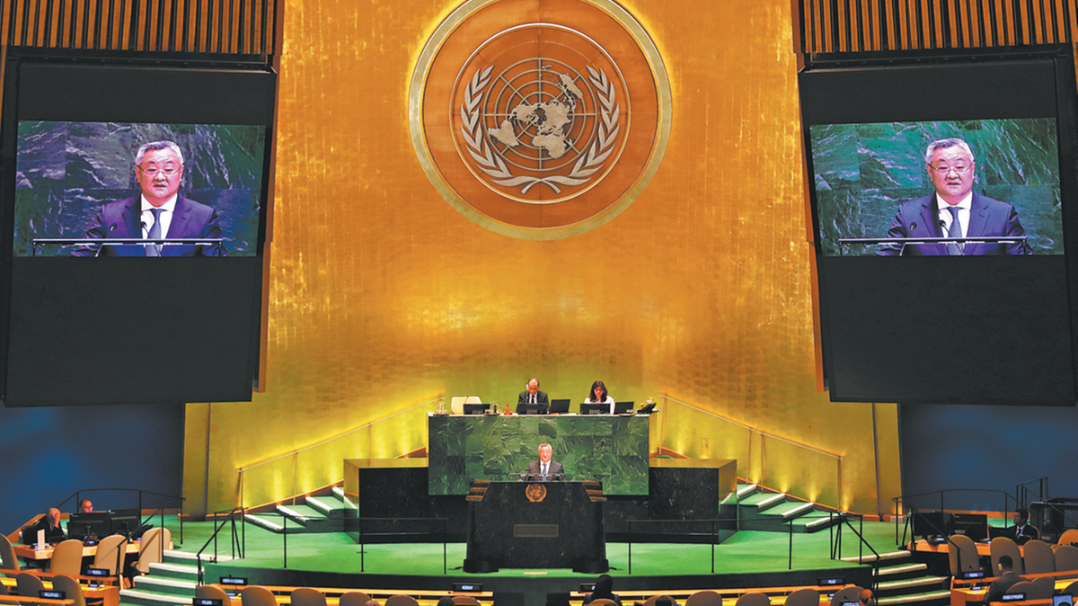
Japanese Prime Minister Sanae Takaichi’s recent comments suggesting potential military intervention in Taiwan have drawn sharp criticism from China and raised concerns about the resurgence of militarism in Japan. Observers argue that Takaichi’s remarks are a calculated move to court right-wing supporters and bolster her Liberal Democratic Party’s (LDP) position after losing its parliamentary majority. Earlier this month, Takaichi became the first sitting Japanese prime minister to publicly discuss military action in Taiwan, framing it as a response to a ‘survival-threatening situation.’ This stance directly contradicts Article 9 of Japan’s pacifist Constitution, which renounces war and the use of force in international disputes. Chinese Foreign Ministry spokeswoman Mao Ning condemned the remarks, likening them to historical justifications used by Japanese militarism, such as the 1931 invasion of Manchuria and the attack on Pearl Harbor. Mao emphasized the need for the international community to remain vigilant against militarism and uphold the postwar international order. At the UN General Assembly, China’s Permanent Representative Fu Cong criticized Takaichi’s comments as a departure from Japan’s commitment to peaceful development and a threat to global stability. Analysts warn that Takaichi’s rhetoric risks inflaming populist sentiments and could lead to significant domestic and international repercussions. Meanwhile, Japan’s refusal to retract the remarks has prompted China to suspend imports of Japanese aquatic products, citing safety concerns and public backlash. Mao reiterated that Japan would bear the consequences of its actions if it persists in its stance.