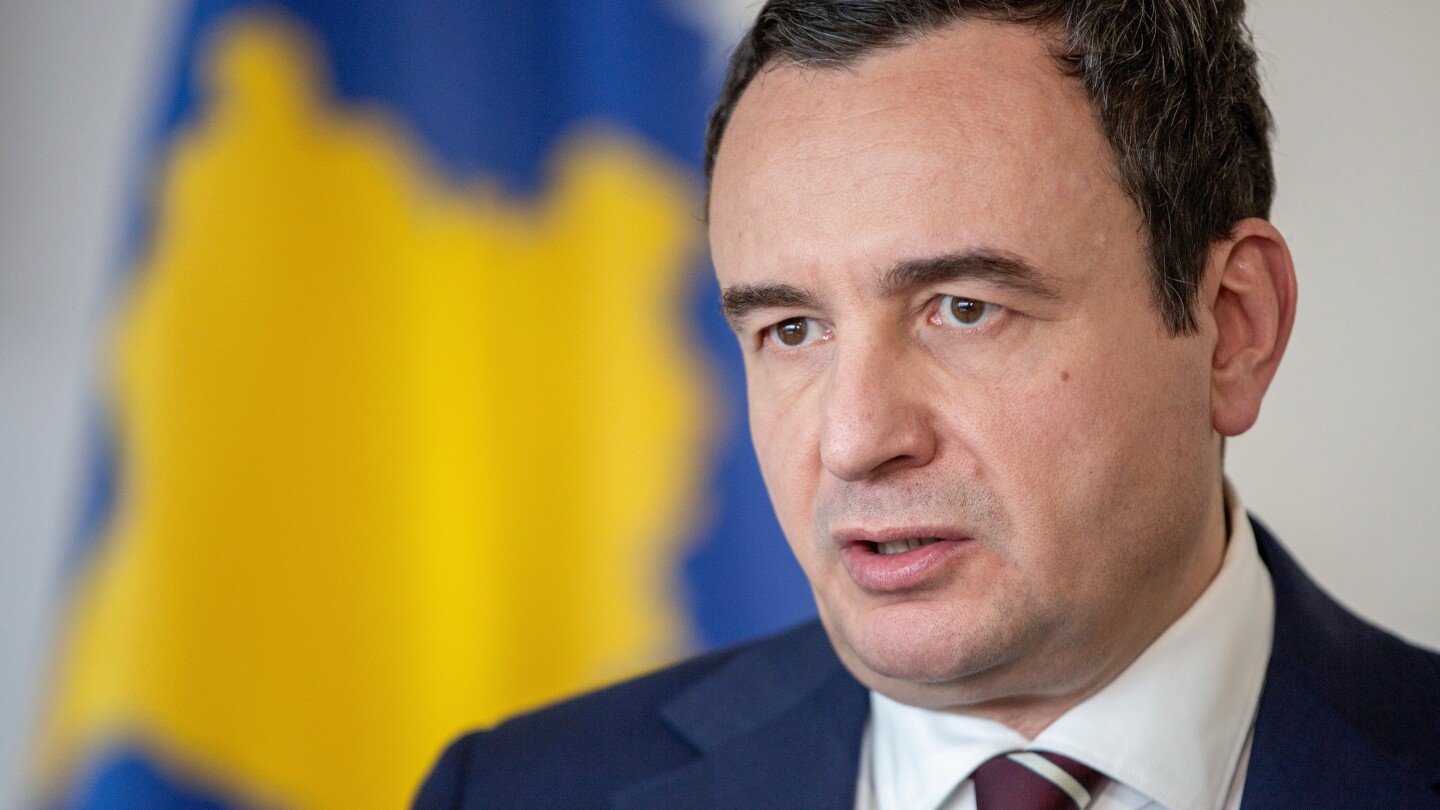
In a significant political setback, Kosovo’s lawmakers were unable to elect a new government on Wednesday, triggering the likelihood of early elections amid an ongoing political crisis in the Balkan nation. Prime Minister-designate Glauk Konjufca, representing the ruling Self-Determination Movement party, secured 56 votes in the 120-member assembly, falling short of the majority required for confirmation. This outcome deals a blow to the party of acting Prime Minister Albin Kurti, which emerged as the largest faction in February’s election but failed to establish a coalition to secure parliamentary control. President Vlosa Osmani is now mandated to dissolve parliament and call for fresh elections within 10 days. This marks the first instance since Kosovo’s 2008 declaration of independence from Serbia that the country has been unable to form a government. The political impasse has also delayed the approval of next year’s budget, raising concerns about the economic stability of the nation, which is already grappling with financial challenges. Additionally, unresolved tensions with Serbia, which refuses to recognize Kosovo’s independence, continue to hinder Kosovo’s aspirations for European Union membership. Konjufca, seen as a potential compromise candidate, has warned against the risks of repeated elections, emphasizing the need for political stability. The crisis underscores broader issues of governance and diplomacy in the region, with implications for Kosovo’s domestic and international standing.