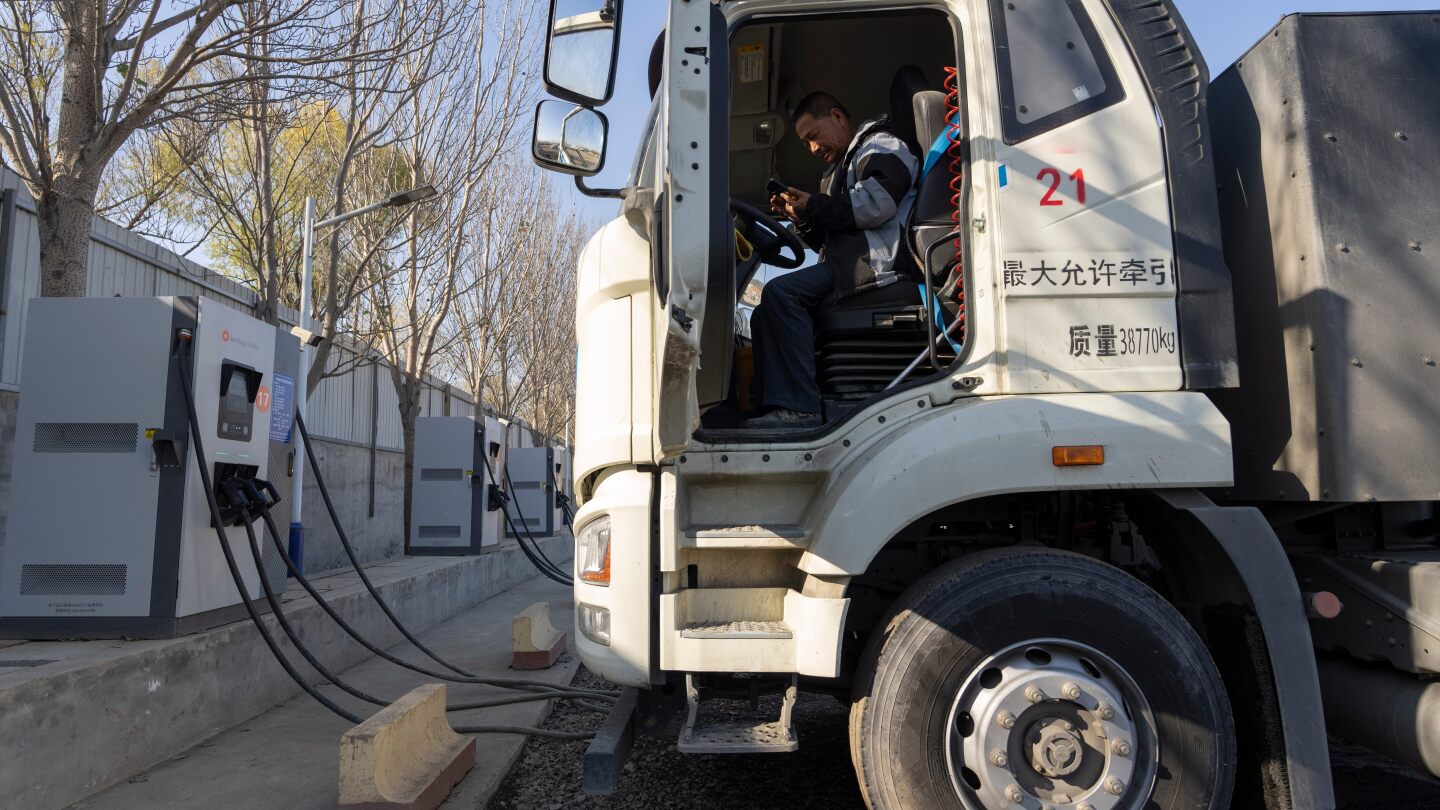
China is accelerating its transition from diesel to electric trucks at an unprecedented pace, potentially transforming global fuel demand and the future of heavy transport. In 2020, nearly all new trucks in China were diesel-powered. However, by the first half of 2025, battery-powered trucks accounted for 22% of new heavy truck sales, a significant jump from 9.2% in the same period in 2024, according to Beijing-based Commercial Vehicle World. The British research firm BMI predicts that electric trucks will comprise nearly 46% of new sales this year and 60% in 2025. Heavy trucks, vital to modern economies, are major contributors to global carbon emissions, with road freight generating a third of all transport-related emissions in 2019. While electric trucks face challenges such as reduced cargo capacity due to heavy batteries, China’s aggressive adoption is driven by falling costs, government incentives, and investments in charging infrastructure. Major logistics hubs, including the Yangtze River Delta, have established dedicated charging stations, and companies like CATL are developing battery-swapping systems to enhance efficiency. This shift is already impacting global energy markets, with diesel consumption in China dropping 11% year-on-year in June 2024. Analysts suggest that China’s electric truck sector could significantly influence regional diesel trade flows and LNG demand. Additionally, China is positioning itself as a global leader in electric truck manufacturing, with exports to regions like the Middle East, Latin America, and Europe growing rapidly. Despite challenges such as limited charging infrastructure, Chinese automakers are leveraging cost-effective production and seamless integration of key components to dominate the market. As China plans stricter emission standards, the transition to electric trucks is expected to accelerate, further reducing reliance on fossil fuels and reshaping the global energy landscape.
China’s diesel trucks are shifting to electric. This could change global LNG and diesel demand.