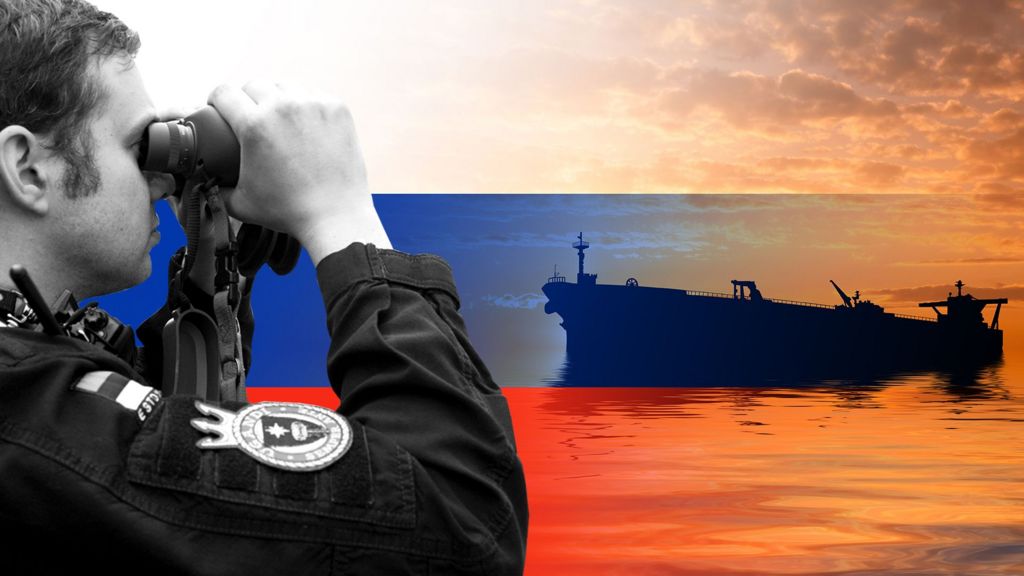
In the western Baltic Sea, a Swedish coastguard officer radios a sanctioned oil tanker, seeking details about its insurance, flag state, and last port of call. This exchange is emblematic of Europe’s tense confrontation with Russia’s ‘shadow fleet,’ a network of aging tankers used to circumvent Western sanctions on Russian oil exports. Since the Kremlin’s full-scale invasion of Ukraine, Western nations have imposed strict energy sanctions, prompting Moscow to rely on these vessels, often with obscure ownership and insurance, to maintain its oil trade. European coastguards and navies are increasingly encountering these ships, suspecting them of transporting oil illegally. Some are even accused of undersea sabotage, illicit drone launches, or falsifying location data. The International Maritime Organization (IMO) reports that the number of falsely flagged ships has more than doubled this year, surpassing 450 globally. Many of these vessels are stateless, operating without valid flags or proper insurance, raising concerns about environmental and security risks. For instance, the tanker Unity, previously known as Ocean Explorer, has changed names and flags multiple times, most recently claiming a false flag from Lesotho. Despite being sanctioned by the UK and EU, Unity continues to operate, highlighting the challenges of enforcing maritime laws. The rise of the shadow fleet has alarmed European nations, particularly in the Baltic region, where vessels frequently pass through en route to Russian oil terminals. Estonia’s navy chief, Commodore Ivo Värk, notes a significant increase in such traffic, emphasizing the brazen nature of these operations. While countries like France, Finland, and Estonia have detained some ships, the fear of escalation with Russia limits more aggressive actions. NATO officials stress the importance of monitoring these vessels to deter illegal activities, but the complexity of the situation underscores the fragility of the international rules-based order. As Europe intensifies its surveillance, the shadow fleet continues to grow, posing significant risks to global commerce, security, and the environment.
On the front line of Europe’s standoff with Russia’s sanction-busting shadow fleet