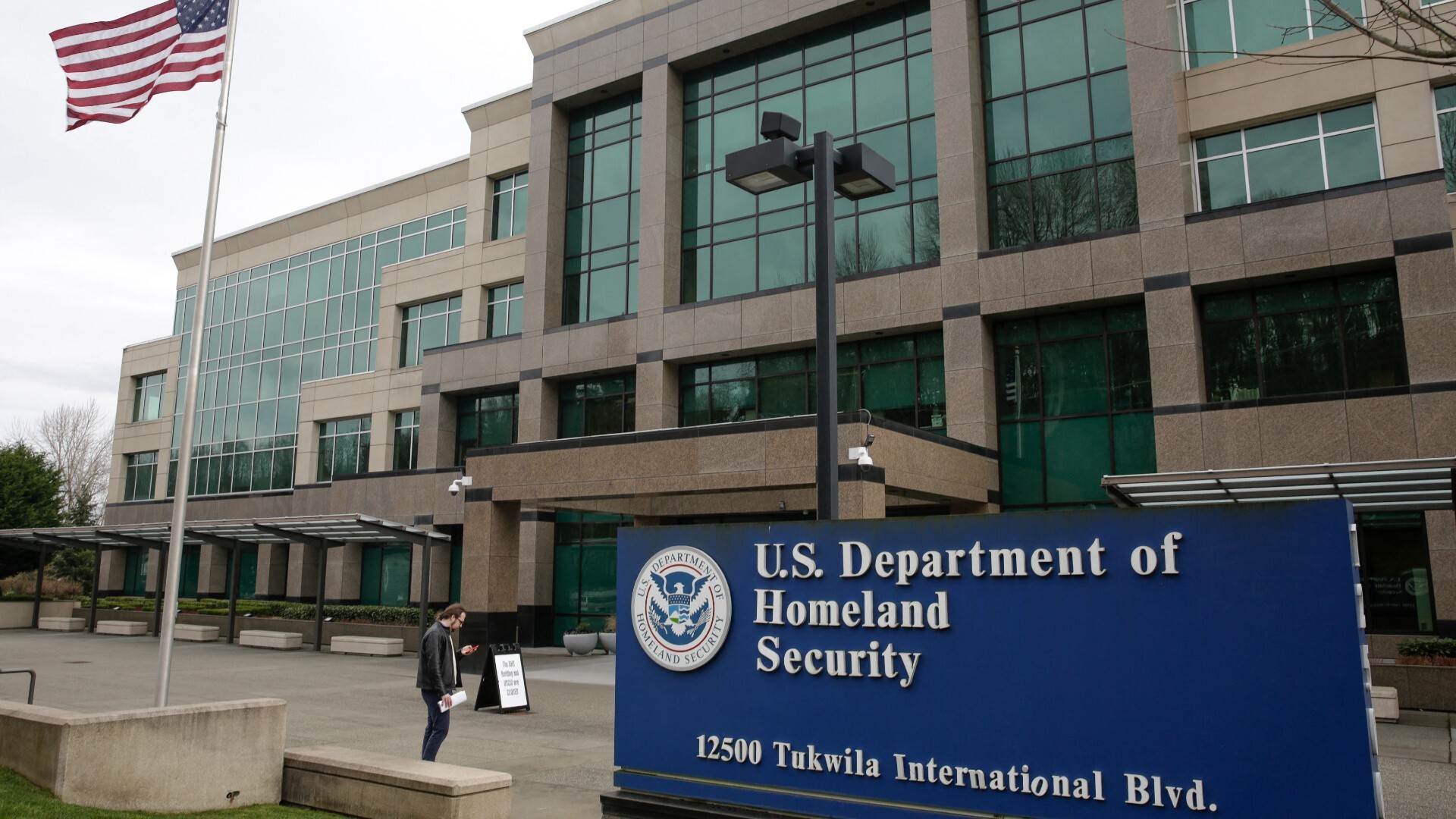
The Trump administration is reportedly considering a new policy that would make it significantly harder for immigrants from countries listed under the existing travel ban to obtain U.S. permanent residency. This potential shift could impact green card approvals, asylum grants, and higher-tier long-term visas, according to internal documents from the Department of Homeland Security (DHS) obtained by The New York Times. The move aligns with the administration’s broader efforts to curb immigration, which have included crackdowns on undocumented immigrants, visa revocations, and increased application fees. Since President Trump took office in January 2017, these measures have already contributed to a 17 percent decline in foreign student enrollment at U.S. universities, the largest drop in a decade. The travel ban, initially implemented in 2017 and revised in June 2020, targets 12 countries: Afghanistan, Burma, Chad, the Republic of the Congo, Equatorial Guinea, Eritrea, Haiti, Iran, Libya, Somalia, Sudan, and Yemen. Nationals from Burundi, Cuba, Laos, Sierra Leone, Togo, Turkmenistan, and Venezuela face partial restrictions. The proposed policy would treat an applicant’s country of origin as a ‘negative factor’ in their immigration application, even if they are otherwise law-abiding and have undergone rigorous vetting. Critics, including a former staffer from U.S. Citizenship and Immigration Services (USCIS), have labeled the plan a ‘radical change’ and ‘absurd,’ arguing that applicants have already passed national security screenings by the time they apply for permanent residency. Jamal Abdi, president of the National Iranian American Council, has urged DHS to reconsider, citing federal laws that prohibit discrimination based on national origin. The revised travel ban, which has faced less public backlash than its predecessor, is considered more legally robust. While those already in the U.S. are exempt, individuals abroad must meet specific criteria to enter, such as holding a green card, preauthorized visa, or being an immediate family member of a U.S. citizen. Athletes participating in the World Cup or Summer Olympics are also exempt. However, increased scrutiny at ports of entry and directives from Secretary of State Marco Rubio could lead to visa revocations. The administration maintains that the ban and heightened vetting measures are necessary to address visa overstays, which it views as a national security risk. Immigration lawyers note that the current ban is likely to remain in effect, as the Supreme Court upheld the president’s authority to implement such measures in a 2017 ruling. Despite the challenges, some legal experts emphasize the importance of perseverance in navigating the U.S. immigration system.
It may get harder to secure US green card if you come from a travel ban-listed country