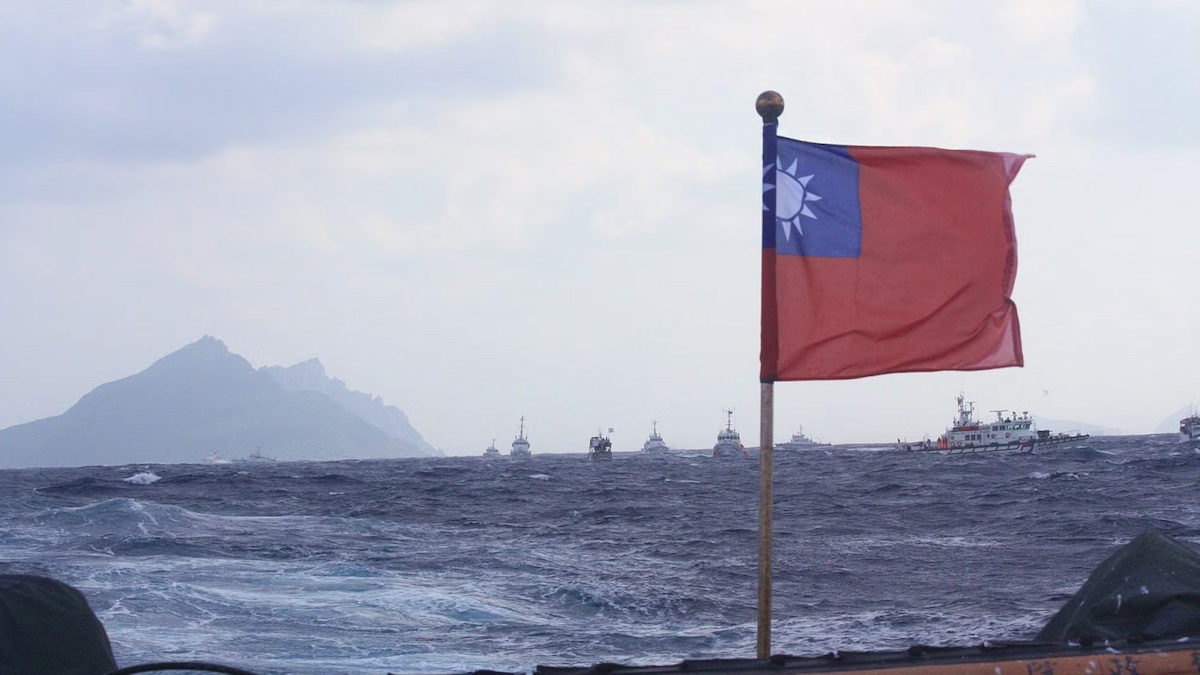
Japanese Prime Minister Sanae Takaichi’s recent declaration regarding Taiwan has significantly altered the geopolitical landscape in Asia and beyond. Takaichi’s statement, which underscores Japan’s long-held view that Chinese military actions or a naval blockade on Taiwan could pose an existential threat to Japan, has placed China in a precarious position. Ignoring the statement could be interpreted domestically as tacitly encouraging Taiwan’s independence, while a strong reaction risks escalating tensions. Beijing’s measured response appears designed to deter without provoking a full-blown crisis. Taiwan’s strategic importance, owing to its location, thriving microchip industry, and appeal to overseas Chinese, makes it a focal point in the region. Control over Taiwan would not only sever Japan and South Korea from the rest of Asia but also bolster China’s dominance in the South China Sea, leaving neighboring nations on edge. The underlying question is whether Asia—and eventually the world—will accept China’s rise as a dominant power. If so, China could pursue reunification with Taiwan peacefully; if not, Taiwan’s reunification could be perceived as a threat. China’s security anxieties and disregard for other nations’ concerns complicate its regional ambitions. While the US has historically sought compromises to integrate China into the global order, China’s rejection of these offers has fueled tensions. The concept of Chinese exceptionalism, akin to American exceptionalism, further complicates its international relations. Without a clear global mission, China’s actions, particularly regarding Taiwan, are viewed as disruptive. President Xi Jinping’s “Global Governance Initiative” aims to address this gap, but its success hinges on balancing China’s interests with global norms. As China navigates its complex regional and global challenges, its ability to compromise and adapt will determine its future role on the world stage.