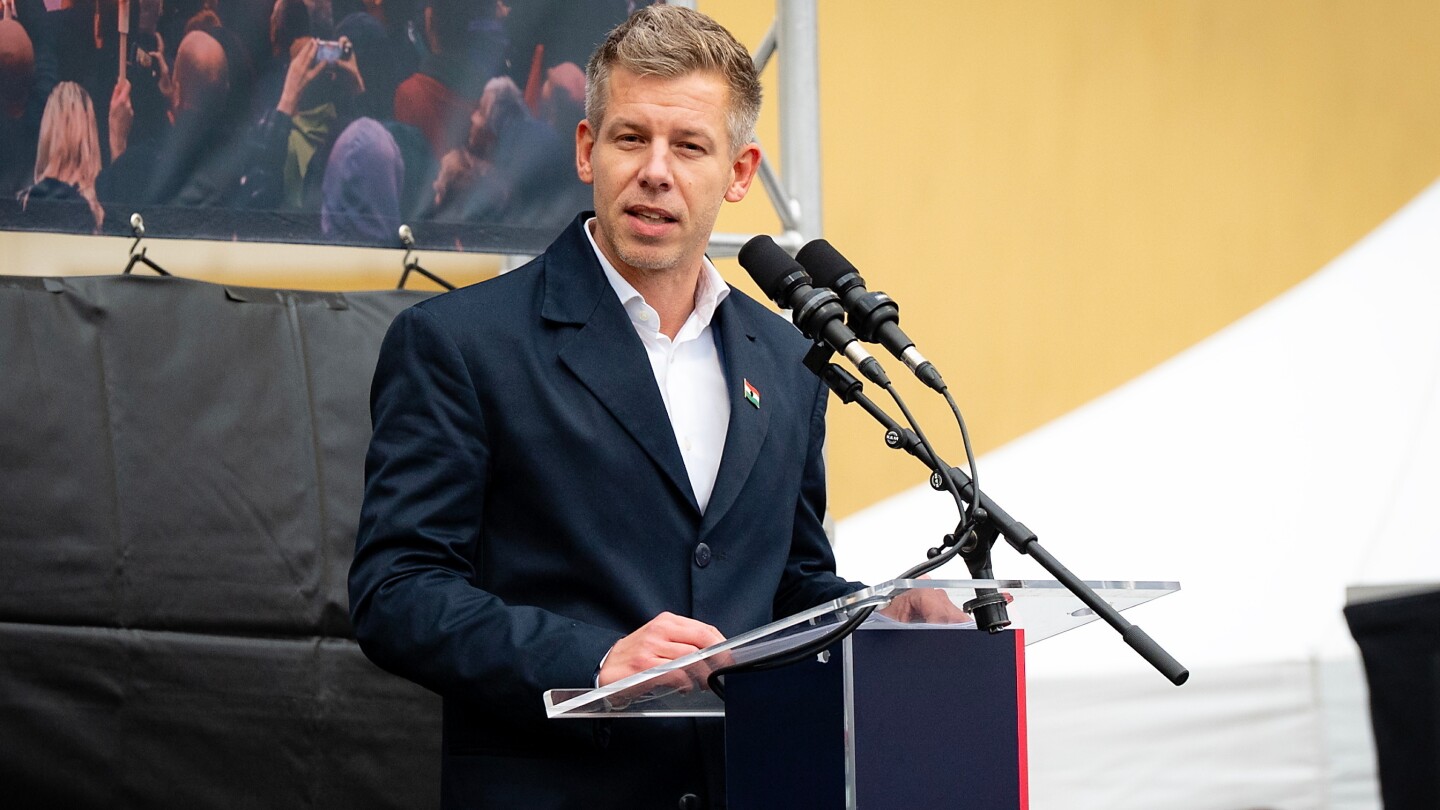
As Hungary gears up for its parliamentary elections in five months, the political landscape is ablaze with a fierce contest between Prime Minister Viktor Orbán and his rising challenger, Péter Magyar. Orbán, who has dominated Hungarian politics for over two decades, is now confronting what many consider the most significant challenge of his career. Despite his enduring popularity among supporters, Orbán’s government has been marred by allegations of corruption and authoritarianism, with critics accusing his far-right Fidesz party of consolidating unchecked power. However, declining economic performance, chronic inflation, and widespread dissatisfaction have eroded his once-unassailable position. Magyar, a former Fidesz insider, has emerged as a formidable opponent, promising to dismantle Orbán’s system and steer Hungary toward a more prosperous and democratic future. Magyar’s grassroots campaign, focusing on pressing issues like the cost of living and poor public services, has resonated deeply in rural areas traditionally loyal to Orbán. Recent polls show Magyar’s Tisza party leading Fidesz, a rare feat in Hungary’s political history. Orbán, meanwhile, has sought to portray Magyar as an existential threat, accusing him of aligning with foreign interests and endangering Hungary’s sovereignty. The prime minister has also criticized the European Union, comparing it to the Soviet Union, and warned that supporting Magyar equates to supporting war. Despite Orbán’s efforts, Magyar’s momentum continues to grow, fueled by public discontent and a desire for systemic change. With the election approaching, Hungary stands at a crossroads, with the outcome poised to reshape its political trajectory.
Election campaign in Hungary heats up as Orbán challenger Péter Magyar gains rural support