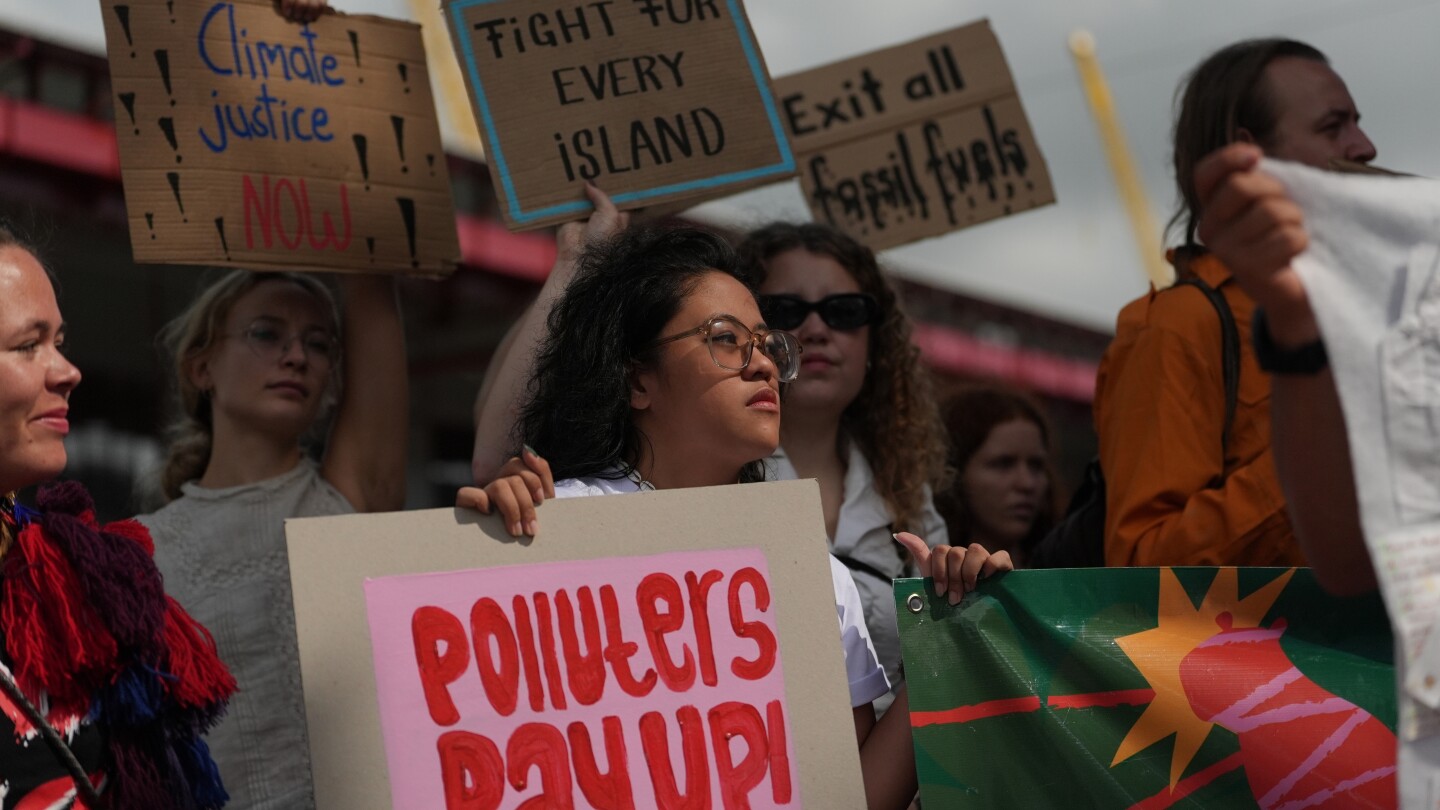
As the United Nations climate negotiations unfold in Belem, Brazil, the initial focus on implementing past promises has been overshadowed by a growing urgency to address the escalating climate crisis. Despite the Brazilian hosts’ intent to concentrate on practical steps, negotiators are now pushing for broader, high-impact actions. These include strengthening weak emissions reduction plans, increasing financial support for climate-affected nations, and accelerating the phase-out of coal, oil, and gas. Brazilian President Luiz Inácio Lula da Silva has been a vocal advocate for more ambitious measures, prompting the conference chair to consider a comprehensive end-of-session communiqué. Veteran observer Jean Su of the Center for Biological Diversity noted a positive shift in momentum, expressing hope for commitments on fossil fuel phase-out. However, the process remains challenging. The Paris Agreement’s voluntary nature limits the enforceability of such declarations, and past COP pledges, including financial aid for developing nations, remain unfulfilled. Key issues on the table include revising inadequate national climate plans and addressing the $300 billion annual climate finance pledge made by wealthy nations. Meanwhile, Indigenous groups have protested their exclusion from decision-making, despite the conference being dubbed the ‘Indigenous Peoples’ COP.’ UN General Assembly President Annalena Baerbock highlighted the need for a unified global effort to transition away from fossil fuels, echoing Lula’s call for a roadmap to achieve this goal. As the talks enter their critical phase, the world watches to see if this COP can deliver the ambitious action needed to combat the climate crisis.
As nations push for more ambition at climate talks, chairman says they may get it