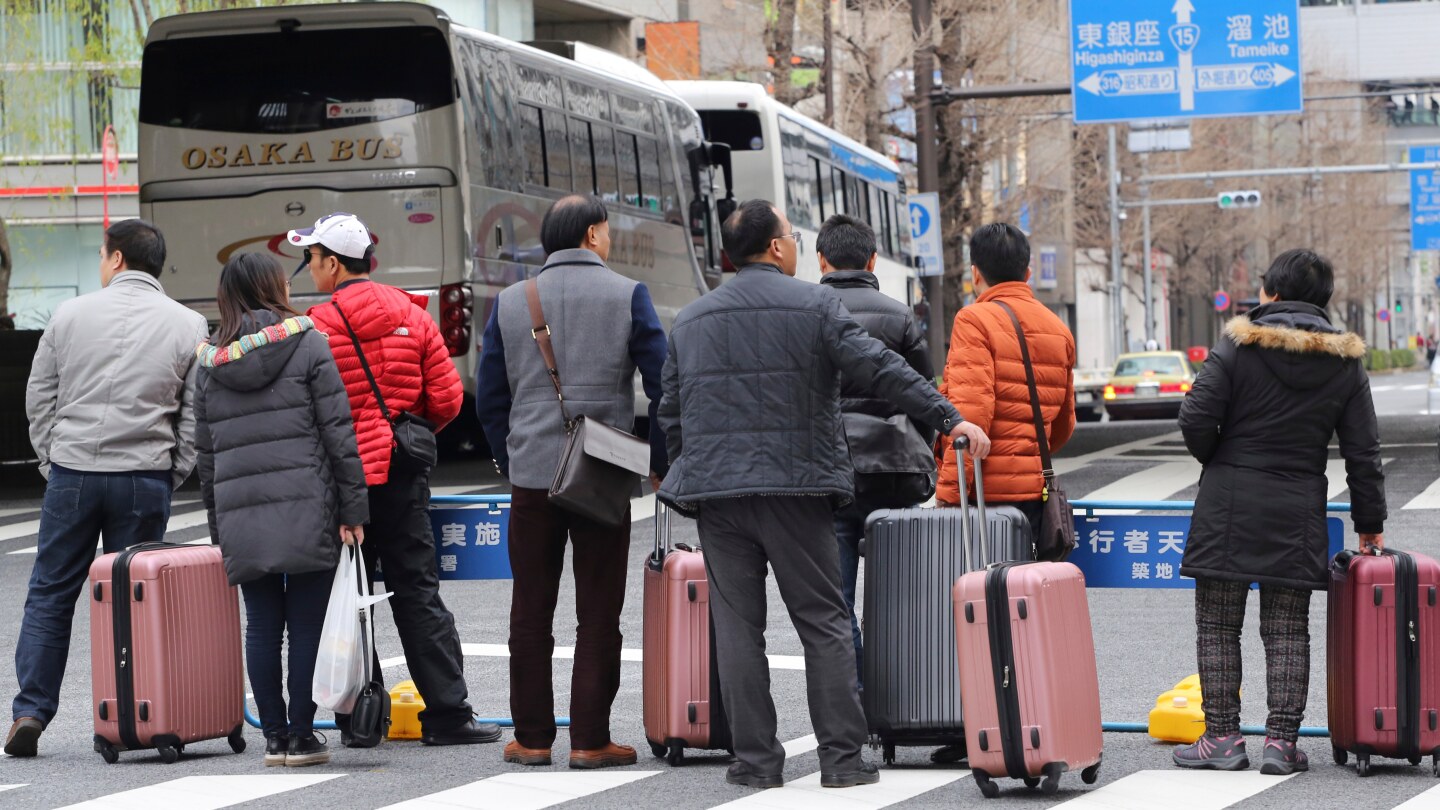
Tensions between China and Japan have intensified following a travel advisory issued by Beijing urging its citizens to avoid visiting Japan. The advisory, announced on Friday, cited concerns over recent attacks against Chinese nationals in Japan and what it described as “erroneous remarks” by Japanese Prime Minister Sanae Takaichi regarding Taiwan. China argued that these comments have undermined the atmosphere for bilateral exchanges between the two nations. In response, Japan lodged a formal protest, with Chief Cabinet Secretary Minoru Kihara urging China to take “appropriate measures” to address the situation. Kihara emphasized the importance of multilayered communication to navigate the differences between the two governments. This latest development comes amid a broader context of strained relations, as Takaichi, who assumed office last month, has advocated for strengthening Japan’s military to counter potential threats from China, particularly in contested waters of the western Pacific. The dispute has further complicated an already fragile relationship, with China asserting its territorial claims over Taiwan and conducting military drills in the region. While neither Japan nor the United States maintains official diplomatic ties with Taiwan, the U.S. remains a key supplier of defense equipment to the island and opposes any forceful resolution to the China-Taiwan issue. The travel advisory, which appears more stringent than previous warnings, has raised questions about its potential impact on Chinese tourism to Japan, a popular destination that significantly contributes to Japan’s economy. Several Chinese airlines have already offered no-penalty refunds for tickets to Japan following the announcement.