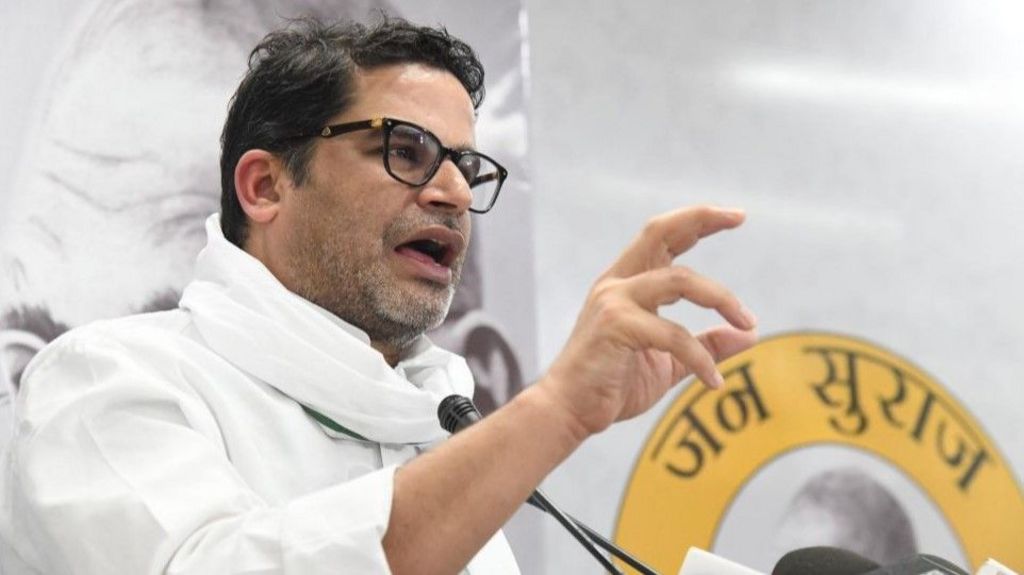
Prashant Kishor, once India’s most sought-after political strategist, faced a stark reality when his newly formed party, Jan Suraaj (People’s Good Governance), failed to secure a single seat in the Bihar state elections. Despite his extensive two-year grassroots campaign and a well-organized effort to field candidates across all 243 seats, Jan Suraaj garnered only a fraction of the votes, while the BJP-led alliance swept to power. Kishor’s transition from a behind-the-scenes strategist to a frontline political leader proved challenging, as his party struggled to convert media attention into electoral success. Political analysts attribute this failure to the lack of a deep-rooted social base and the absence of a mass movement or crisis that typically propels new parties to relevance. Unlike successful new parties such as the Aam Aadmi Party (AAP), which emerged from a strong anti-corruption movement, Jan Suraaj was perceived as a strategic project rather than an organic political force. Kishor’s decision not to contest a seat himself further raised doubts about his commitment. The Bihar elections underscored a critical lesson in Indian politics: media hype and visibility alone cannot substitute for ground strength and a loyal constituency. However, some experts believe that if Jan Suraaj can sustain its grassroots presence and cultivate local leadership, it may gradually build influence in Bihar’s evolving political landscape.