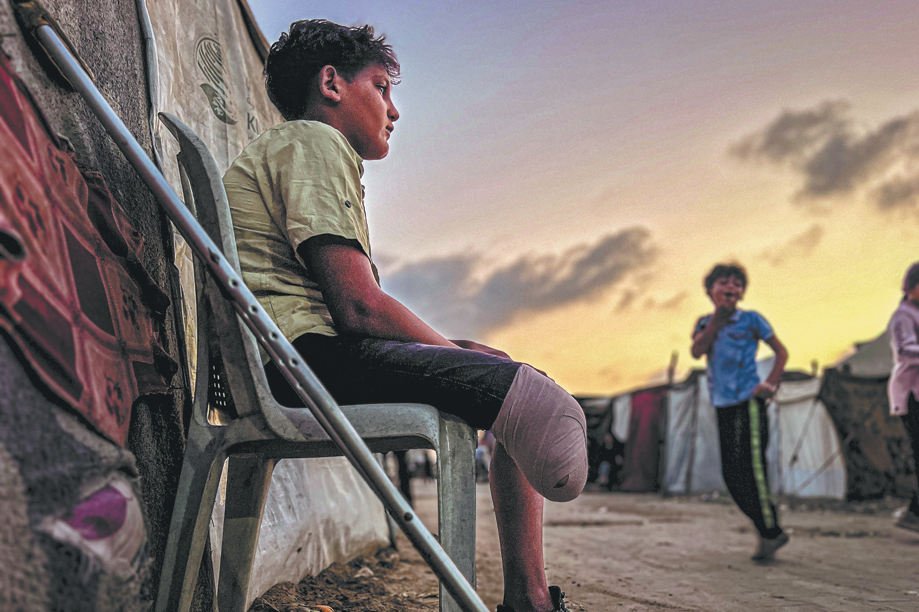
One month into the Gaza ceasefire, a fragile calm has settled over the region, but experts warn that significant obstacles threaten to derail the next phase of negotiations. The initial phase of the truce, which began on October 10 after over two years of conflict, has seen tangible progress, including the release of 20 Israeli hostages by Hamas and the return of 24 remains, alongside Israel’s handover of approximately 300 Palestinian bodies. Humanitarian aid has also surged, with over 37,000 metric tons of supplies delivered to Gaza by the UN and its partners since the ceasefire began. However, sporadic skirmishes and mutual accusations of violations have kept tensions simmering, with at least 245 Palestinian casualties reported since the truce took effect. The second phase of negotiations, as outlined in a US-proposed 20-point plan, focuses on critical issues such as Hamas’ disarmament and Israel’s full withdrawal from Gaza. Yet, experts highlight deep-seated challenges, including a lack of trust, internal divisions, and irreconcilable demands. Israeli Prime Minister Benjamin Netanyahu has vowed to disarm Hamas, while Hamas views concessions as an existential threat. Analysts argue that the US plan’s failure to address the two-state solution and Hamas’ governance rights further complicates progress. Without resolution, the ceasefire risks collapsing, potentially reigniting a cycle of violence.