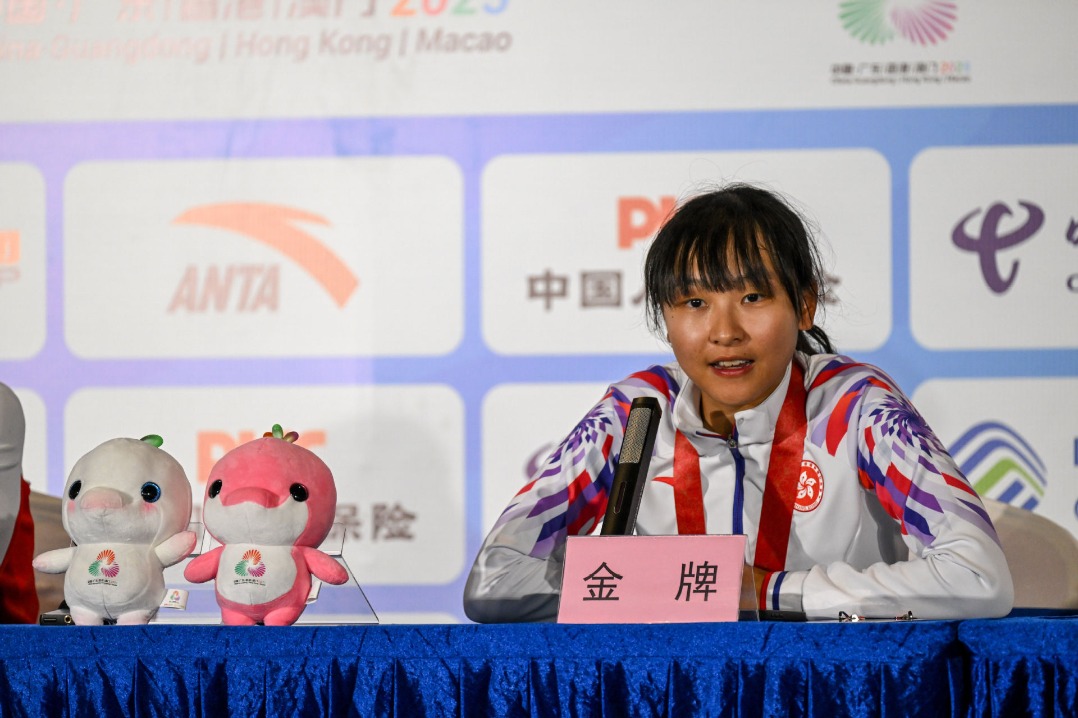
Hong Kong’s athletes are reaping the benefits of advanced sports technologies, as showcased by Ceci Lee Sze-wing’s triumphant defense of her title in the women’s road cycling individual event at the 15th National Games. This victory underscores the pivotal role of cutting-edge innovations in enhancing athletic performance. The Hong Kong University of Science and Technology’s Aerodynamics and Acoustics Facility, equipped with a low-noise wind tunnel, has been instrumental in simulating race environments. Coupled with the computational power of China’s Tianhe 2 supercomputer in Guangzhou, this technology has optimized cyclists’ postures, bike designs, and aero-speed suits, reducing wind drag by an impressive 3 percent. These suits, tailored for each athlete, have been worn in major events like the Tokyo 2020 Olympics and the 2022 Asian Games. Beyond cycling, sports such as windsurfing and triathlon have also leveraged these simulations to refine athletes’ techniques. The collaboration between the mainland and Hong Kong in sports technology continues to deepen, with initiatives like the Li-Ning-PolyU Joint Research Centre for Sports Science aiming to further integrate technological advancements into sports and health sectors. This synergy not only boosts professional athletes but also fosters talent development, as seen in the Guangzhou Zhongshan Whampoa School for Hong Kong and Macao Students, which offers specialized training for aspiring athletes. The nation’s support extends to providing high-tech equipment and training platforms, ensuring that athletes from Hong Kong and Macao can compete at the highest levels.