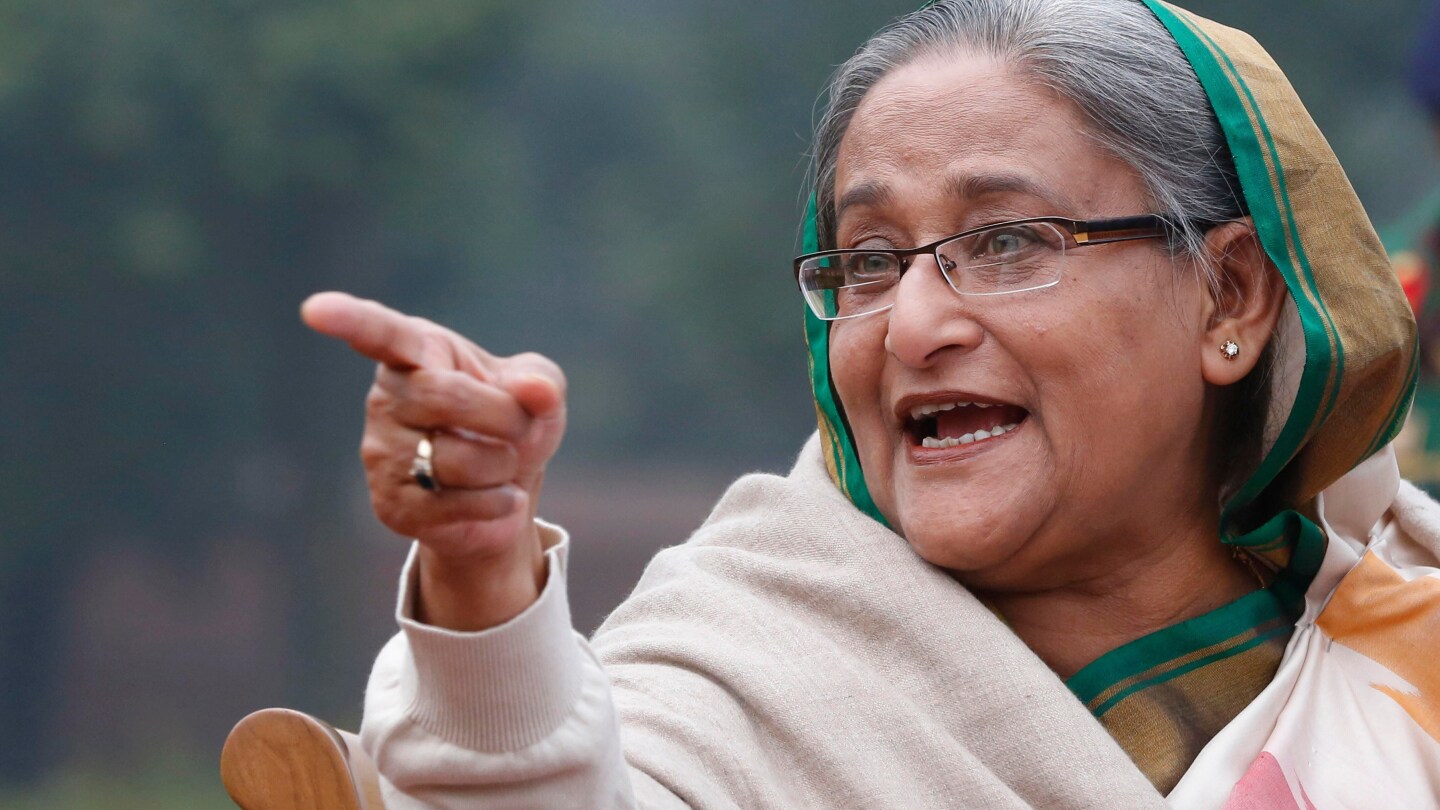
Bangladesh faced widespread disruption on Thursday as ousted Prime Minister Sheikh Hasina and her former ruling party, the Awami League, called for a nationwide ‘lockdown’ in protest against her trial for crimes against humanity. The charges stem from her alleged role in the violent crackdown on student-led protests last year, which ended her 15-year rule and left hundreds dead. Hasina, currently in exile in India, is being tried in absentia by a special tribunal in Dhaka, which is set to announce the verdict date soon. The tribunal also involves former Home Minister Asaduzzaman Khan and former police chief Chowdhury Abdullah Al-Mamun, the latter of whom has turned state witness against Hasina. The interim government, led by Nobel Peace Prize laureate Muhammad Yunus, has heightened security nationwide, deploying soldiers and other agencies to guard the tribunal premises. Schools in Dhaka and other major cities shifted to online classes, while public transportation was severely disrupted. The Awami League, now banned, has urged supporters to protest, leading to escalating tensions. Over the past three days, crude bomb explosions and vehicle arson have been reported in Dhaka and elsewhere, signaling continued political chaos. Hasina has denounced the tribunal as a ‘kangaroo court’ and refused legal representation, while her party campaigns against the upcoming February elections unless they are allowed to participate. The UN estimates up to 1,400 deaths during last year’s violence, though Hasina disputes these figures and demands an independent investigation. Meanwhile, Bangladesh’s Foreign Ministry has summoned India’s Deputy High Commissioner to express concerns over Hasina’s media interactions in India, where she accused Yunus of supporting Islamists and violating human rights. Hasina vows to fight back, with her son emphasizing that only an inclusive election can stabilize the country.
Bangladesh braces for disruptions as former ruling party calls for lockdown to protest Hasina trial