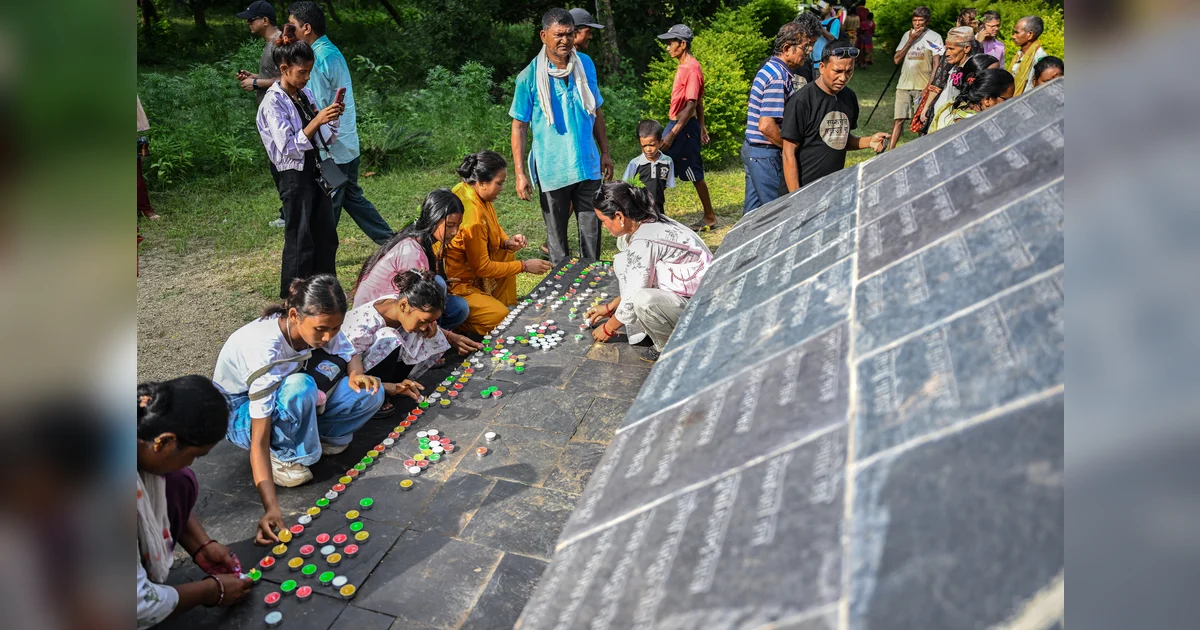
In Nepal, the families of victims from the decade-long civil war are watching the country’s recent political upheaval with a fragile sense of hope. The conflict, which ended in 2006, left over 16,000 dead and 1,400 missing, with abuses committed by both Maoist rebels and state forces. Despite a peace agreement, justice has been painfully slow. Transitional justice commissions established in 2015 have yet to resolve any of the 65,000 complaints of rape, murder, and enforced disappearances. Sunamati Chaudhari, whose husband was taken by security forces 22 years ago, exemplifies the struggle for closure. ‘We left no stone unturned,’ she said, recounting her efforts to seek justice through courts, organizations, and even the United Nations. ‘But nothing happened.’ The recent youth-led protests against economic woes, corruption, and a social media ban, which led to the government’s collapse in September, have added to the uncertainty. Former chief justice Sushila Karki, now interim prime minister, has been a rare advocate for war victims, but the political situation remains volatile. Families like Chaudhari’s, who recently performed her husband’s death rites, feel time has run out. ‘Many prime ministers have come and gone,’ she lamented, ‘but nobody addressed our problem.’