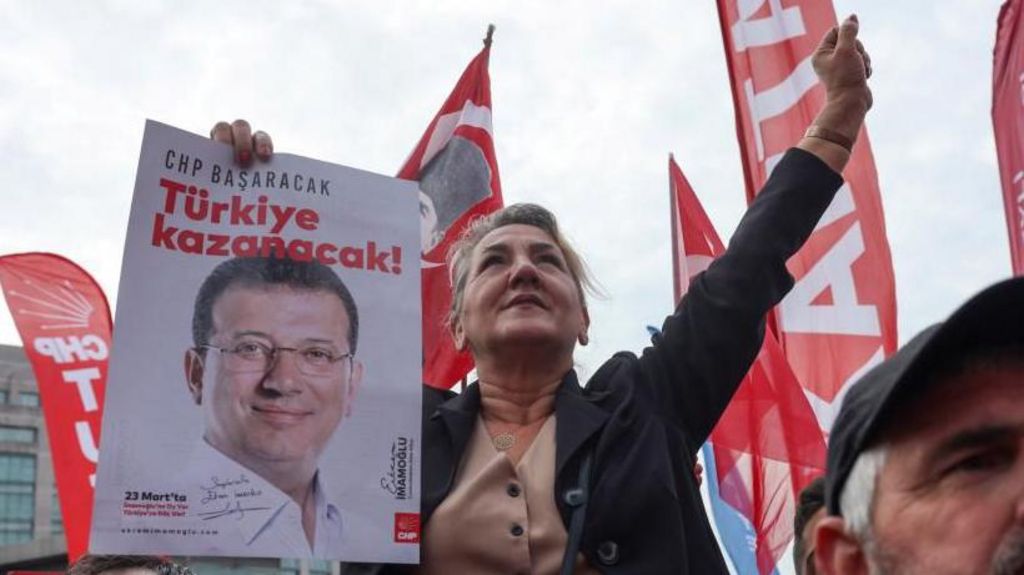
Ekrem Imamoglu, the prominent mayor of Istanbul and a key political opponent of President Recep Tayyip Erdogan, has been held in pre-trial detention since March 2025 on allegations of corruption. The Istanbul prosecutor has charged Imamoglu with 142 corruption-related offenses, which could result in a prison sentence ranging from 828 to 2,352 years. The charges include 12 counts of bribery, seven counts of money laundering, and seven counts of fraud against public institutions, with estimated losses to the Turkish state amounting to 160 billion lira (£2.9 billion; $3.8 billion).
Imamoglu, a member of the secular Republican People’s Party (CHP), denies all allegations and claims the charges are politically motivated, aimed at undermining his potential candidacy in the 2028 presidential elections. The prosecutor has also accused 401 others of being part of a criminal network allegedly led by Imamoglu. Of these, 105 are currently in detention.
The mayor’s arrest in March sparked widespread protests, leading to hundreds of arrests and a police crackdown. Since then, he has been held in Marmara prison on the outskirts of Istanbul. In addition to the corruption case, Imamoglu faces charges of espionage and forging his university diploma, which has since been annulled. This disqualification could prevent him from running for the presidency in 2028.
CHP leader Özgür Özel has vehemently defended Imamoglu, accusing the government of fabricating charges to silence a political rival. ‘His crime is to run for the next presidency of this country. He has no other crime!’ Özel declared during a parliamentary meeting. Imamoglu, who was re-elected as mayor in April 2024 with a significant margin, is also appealing earlier jail sentences for insulting the Istanbul prosecutor and criticizing election officials.
The espionage case, initiated two weeks ago, alleges that Imamoglu shared data of Istanbul residents in exchange for international funding. Imamoglu has dismissed these claims as ‘nonsense,’ while his supporters argue that the charges are part of a broader effort to stifle dissent and maintain political control.