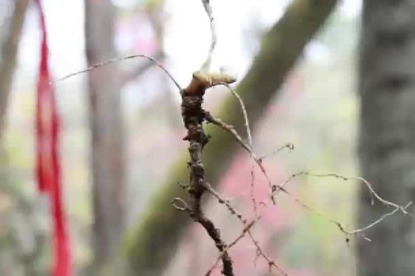
In Chinese folklore, ginseng is often depicted as a mystical entity capable of movement, sometimes even taking on the form of childlike spirits. Wang Defu, honorary president of the Fusong Ginseng Culture Research Association in Baishan, Jilin province, suggests that these legends may stem from misunderstood natural phenomena, such as ginseng plants retreating underground during dormancy. Despite scientific explanations for some occurrences, the ancient belief in ginseng’s ability to move independently continues to captivate and mystify people today. For centuries, ginseng has been revered as a life-saving remedy, with ancient palaces preserving formulas like Du Shen Tang (Single Ginseng Decoction) and Sheng Mai Yin (Pulse-Generating Drink) for emergency care. Modern science has refined our understanding of this herb, debunking myths such as the notion that young adults or children should avoid it. Wang emphasizes that individuals with suboptimal health can benefit from ginseng, recommending fresh ginseng for its pure taste and moisture retention. If fresh ginseng is unavailable, dried ginseng can be used in various preparations, including steeping, boiling, or steaming. This blend of ancient wisdom and contemporary science highlights the enduring significance of ginseng in Chinese health traditions.